
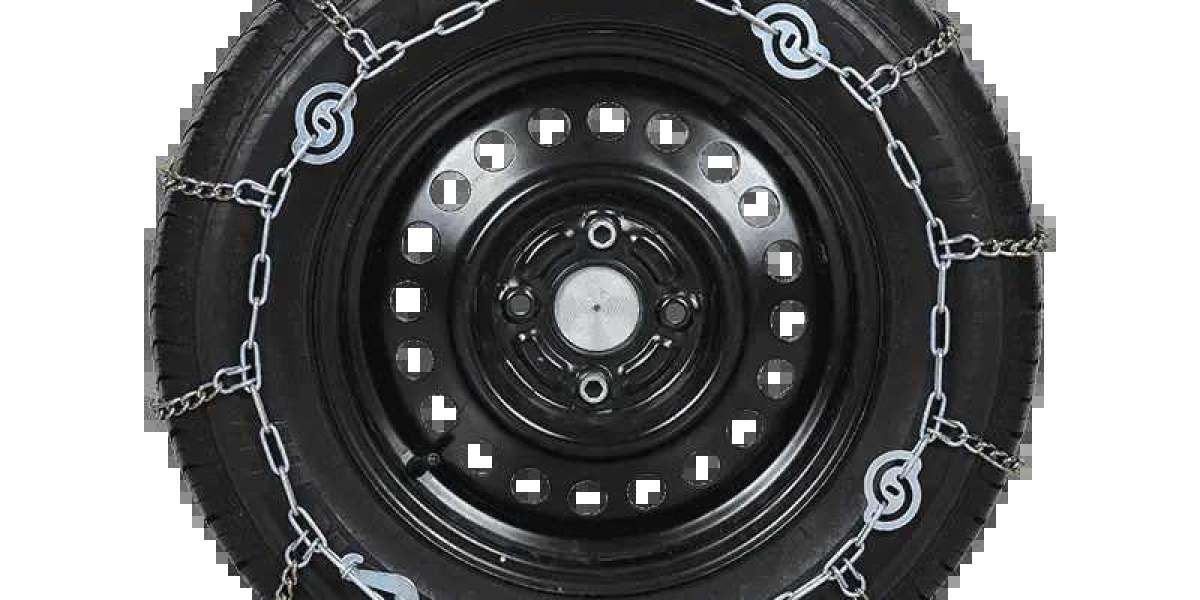
Sudden snow, freezing rain, or black ice rarely appear on a schedule. For drivers and fleet operators, these moments are when Emergency Tire Chains move from being stored equipment to something that directly affects whether a vehicle can continue moving. Unlike standard chains planned for long winter routes, emergency chains are built for unexpected stops, roadside installation, and fast response.
Buyers usually want to know one thing first: what makes emergency chains different? The answer is speed and simplicity. These chains are not meant for long-term driving through deep snow. They are designed to help vehicles regain traction quickly when conditions change without warning.
For many logistics teams and individual drivers alike, emergency chains are treated as backup gear. They stay in the vehicle, compact and ready, until weather forces a quick decision.
1. Quick installation under pressure
Roadside conditions are rarely comfortable. Emergency Tire Chains often use strap or ratchet systems that wrap around the tire without needing to move the vehicle far. This design allows drivers to act fast, even on narrow shoulders or mountain roads. Clear structure and limited adjustment points reduce confusion during stressful moments.
Drivers with limited experience appreciate chains that do not require complex tensioning steps. For fleet managers, this ease of use lowers the risk of improper installation across different drivers.
2. Compact storage for daily operations
Space matters in passenger vehicles, delivery vans, and trucks. Emergency chains are typically lighter and more compact than full-coverage chains. They fit easily into storage boxes or side compartments without affecting cargo planning. This makes them practical for vehicles that do not operate in snow every day but may pass through unpredictable regions.
Keeping Emergency Tire Chains on board also supports route flexibility. Vehicles can continue operating when weather changes instead of stopping completely.
3. Use cases across different vehicle types
Emergency chains are commonly used on cars, vans, and trucks that encounter sudden weather shifts. For trucks, emergency snow chains are built to handle higher loads while still focusing on fast mounting. The goal is controlled movement long enough to exit hazardous sections, reach maintained roads, or complete short-distance travel.
From a purchasing angle, buyers often evaluate how well chains match tire sizes already in use. Compatibility reduces training time and simplifies inventory decisions.
4. What buyers expect from Emergency Tire Chains Manufacturers
Reliable Emergency Tire Chains Manufacturers focus on repeatable quality, clear instructions, and consistent sizing. Buyers look for manufacturers who understand roadside use scenarios rather than long-duration winter driving. Stable material selection and dependable fastening systems matter more than complex designs.
For distributors and fleet suppliers, working with experienced Emergency Tire Chains Manufacturers supports smoother sourcing and fewer returns. Clear labeling, predictable packaging, and production consistency are often part of supplier evaluation.
In everyday operations, emergency chains rarely attract attention until they are needed. Emergency Tire Chains serve as practical insurance against sudden weather changes, helping vehicles stay mobile when conditions turn uncertain. Choosing well-designed chains from capable Emergency Tire Chains Manufacturers allows drivers and fleets to respond quickly instead of being caught off guard by winter roads.