
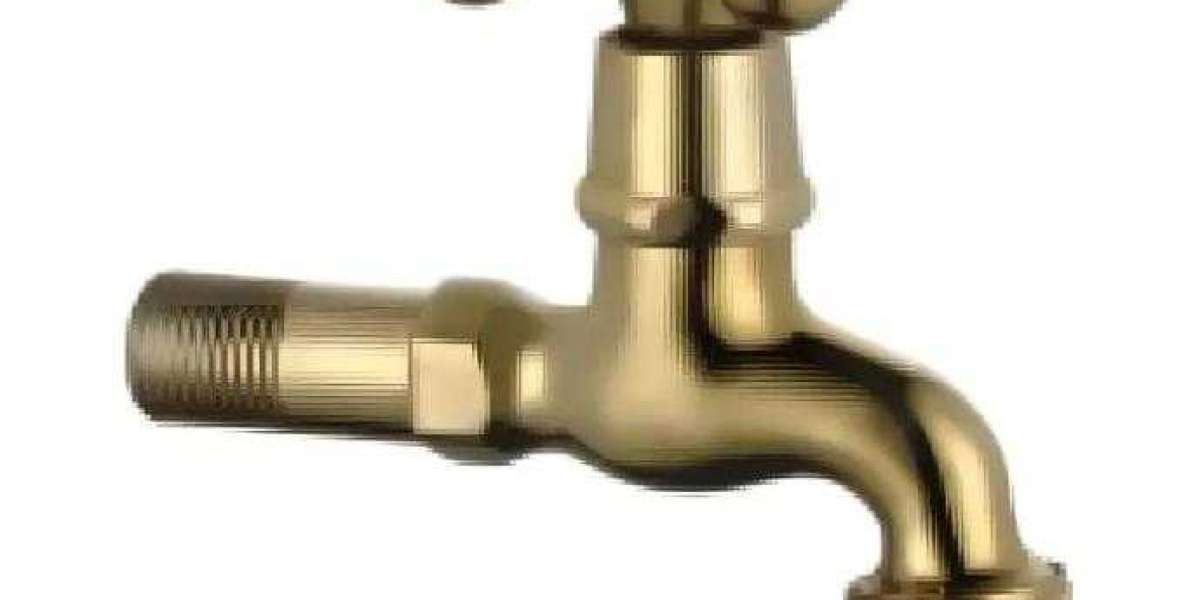
The term diversity water device valve speaks to a component engineered not for a single, specific task, but to perform reliably across a wide spectrum of applications, water conditions, and user needs. This inherent versatility is fundamentally rooted in the selection and design of its core valve mechanism. Whether it employs a rotating ball, a flexible diaphragm, or sliding ceramic discs, each mechanism brings a distinct set of performance characteristics that allow it to adapt to particular facets of "diversity," be it in pressure, fluid compatibility, control precision, or longevity. The choice of mechanism is the primary determinant of how effectively the valve meets the varied demands placed upon it.
The Robust Simplicity of the Ball Valve
For applications where diversity translates to handling high flow rates, slurries, or fluids with suspended solids, the ball valve mechanism is often the adaptive choice. Its operation is simple: a hollowed sphere (the ball) rotates within the valve body. A quarter-turn aligns the bore with the pipe for full flow or turns it perpendicular to block flow completely. This design offers several adaptive advantages: minimal flow restriction when open, leading to high Cv values and low pressure drop; reliable shut-off even with dirty water that might foul other mechanisms; and durable, simple construction suitable for larger pipe sizes. Its adaptation to diversity lies in its robustness across challenging fluid types, though it is less suited for precise flow modulation (throttling) compared to other designs.
The Precision and Scalability of Ceramic Disc Valves
When diversity encompasses the need for precise flow control, exceptional durability in clean water applications, and consistent performance over tens of thousands of cycles, ceramic disc valves excel. This mechanism features two extremely hard, polished ceramic discs (often alumina oxide) with aligned apertures. One disc rotates against the other to gradually open, close, or meter flow. The adaptive strengths are profound: the ultra-hard, corrosion-resistant ceramic surfaces provide exceptional wear resistance, making them ideal for frequently operated valves in residential faucets or commercial systems. They offer smooth, precise throttling control. Their compact design allows for scalability in compact fixtures. This mechanism adapts superbly to the diversity of usage frequency and demand for precise water metering, though it is vulnerable to damage from waterborne grit.
The Balanced Control of Diaphragm Valves
For diversity that includes handling corrosive chemicals, abrasive slurries, or applications requiring sterile conditions, the diaphragm valve mechanism demonstrates unique adaptability. It uses a flexible elastomeric or polymer diaphragm that is pushed down by the valve stem onto a weir or saddle to shut off flow. The key adaptive feature is complete isolation: the diaphragm separates the valve's working mechanism (stem, actuator) from the flow media. This makes it ideal for aggressive fluids that would corrode metal stems or for sanitary applications where fluid must not contact internal crevices. It offers good throttling characteristics and can handle viscous fluids. Its adaptation is to the diversity of fluid chemistry and hygiene requirements, though it may have a higher pressure drop and the diaphragm is a wear item requiring periodic replacement.
The Integration and System Adaptation
Beyond the core mechanism, a truly adaptive diversity water device valve incorporates features that allow it to fit into diverse systems. This includes:
Multiple Actuation Options: The same valve body might accept a manual handle, a gear operator for large valves, or an electric/pneumatic actuator for automated control systems, adapting it from simple manual use to integration in a smart building network.