Understanding Why Wheel Selection Matters
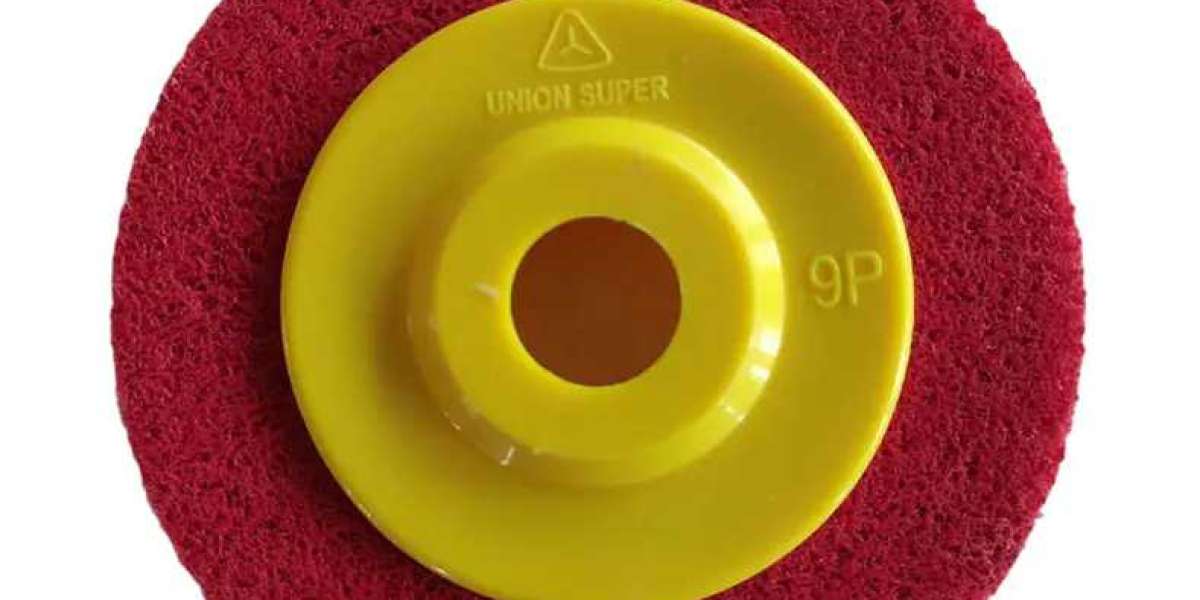
Metal polishing requires the right tools to achieve consistent, smooth, and aesthetically pleasing finishes. A high-quality Non-Woven Fiber Wheel plays a significant role in the polishing process because it provides gentle abrasion without removing excessive material. If the wrong wheel is selected, the final finish may look uneven, scratched, or dull. Understanding the wheel’s structure, grit level, and intended application helps ensure optimal performance.
Evaluating the Grit Level for Your Application
One of the most important factors in selecting a polishing wheel is the grit size. Coarser grits are designed for more aggressive material removal, making them suitable for initial surface preparation or removing oxidation. Medium grits help refine surfaces, while finer grits are ideal for producing satin or near-mirror finishes. Choosing the correct grit ensures that each polishing step transitions smoothly to the next, reducing overall finishing time.
Considering the Density and Hardness
Non-woven wheels come in various densities, from soft to hard. Softer wheels conform better to curved surfaces and are excellent for blending weld marks or smoothing contours. Harder wheels provide stronger cutting action and maintain their shape longer, making them suitable for flat surfaces that require uniform polishing. Matching wheel density to the metal type and desired outcome ensures consistent and controlled results.
Matching the Wheel to the Metal Type
Different metals respond differently to abrasive action. Aluminum, being soft, benefits from a gentler wheel that reduces the risk of gouging. Stainless steel, on the other hand, often needs a wheel that offers controlled cutting while maintaining the metal’s natural shine. Choosing the right Non-Woven Fiber Wheel based on metal type prevents unnecessary surface damage and improves final appearance.
Understanding the Intended Polishing Stage
Polishing typically involves multiple steps: preparation, smoothing, and final finishing. Each stage requires a specific wheel type to achieve the desired outcome. Preparation wheels remove imperfections, intermediate wheels refine the surface, and finishing wheels create a satin or brushed texture. Selecting wheels designed for each stage ensures a professional and efficient workflow.
Factoring in Machine Compatibility
Not all wheels fit all polishing machines. The wheel’s diameter, arbor size, and maximum RPM rating must match your equipment. Using a wheel that does not align with your machine’s specifications can affect performance and pose safety risks. Ensuring compatibility improves efficiency and prolongs the life of both the machine and the wheel.
Safety Considerations When Polishing Metal
While Non-Woven Fiber Wheel products are generally safer than traditional abrasives, proper handling is still essential. Safety goggles, gloves, and secure wheel mounting help prevent accidents. Keeping the workspace clean and free of loose materials also improves operating safety. Selecting a wheel that is appropriate for the job reduces vibration and enhances control.
Final Thoughts on Choosing the Right Wheel
Selecting the right Non-Woven Fiber Wheel for metal polishing requires understanding grit, hardness, application, and machine compatibility. With the correct choice, users can achieve smooth, consistent, and professional metal finishes while maintaining efficiency and safety throughout the process.