
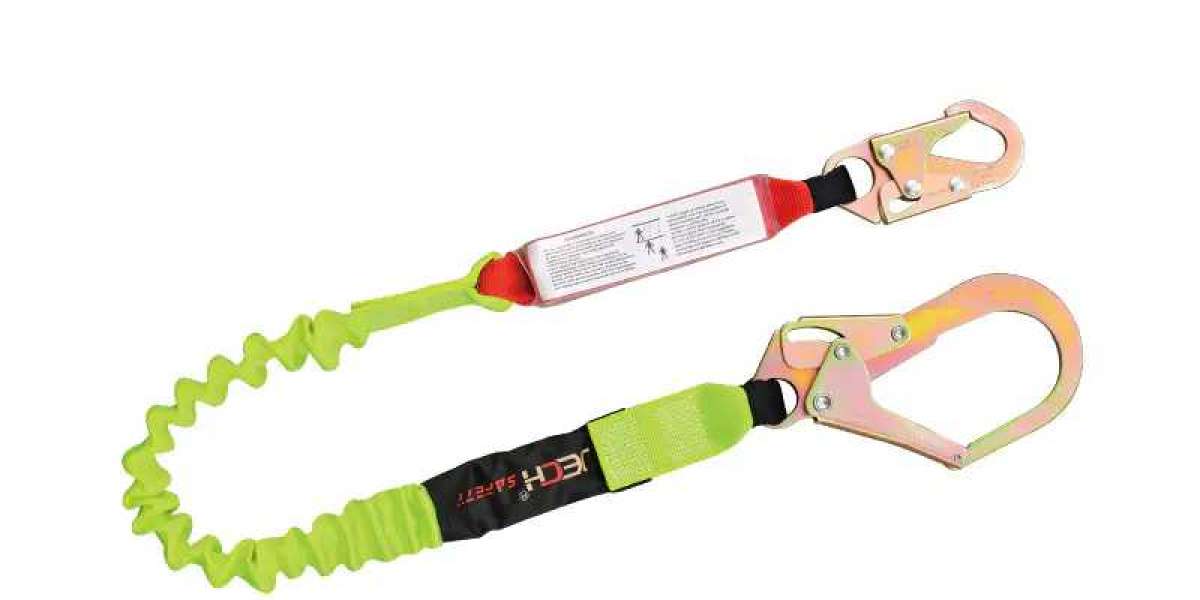
Safety lanyards play an essential role in height protection systems for workers. More than just a rope or strap, these devices are designed to connect a safety harness to an anchorage point, limiting the fall distance and absorbing the forces generated during a fall. Companies that purchase wholesale safety lanyards often benefit from consistent quality and cost efficiency, particularly for large teams or multiple project sites.
Understanding the function and variations of safety lanyards can help businesses make more informed decisions. Lanyards are commonly made from twisted polyester ropes, kernmantel ropes, or webbing, and are designed to complement a safety harness. They come in several types, including single shock absorber lanyards, twin shock absorber lanyards, and work position restraint lanyards. Each type serves a specific purpose, from arresting falls to allowing controlled positioning during work at height.
When evaluating safety lanyards, several factors often influence purchasing decisions:
1. Shock Absorption and Fall Arrest Features: Lanyards with built-in shock absorbers reduce the impact forces transferred to the worker's body in the event of a fall. Choosing the right type depends on the expected height and the specific tasks performed.
2. Material Quality and Durability: Safety lanyards must withstand repeated stress and environmental exposure. High-quality webbing or kernmantel ropes from reputable manufacturers provide reliable performance over time, which is especially important when buying wholesale safety lanyards for large crews.
3. Length and Flexibility: Lanyard length affects mobility and positioning. Work position restraint lanyards often allow workers to move freely while keeping them secured. Selecting a length that matches the work environment is crucial to prevent unnecessary slack or restrictions.
4. Compliance and Certification: Using lanyards that meet international or local standards adds confidence that the equipment can handle expected fall forces safely. Certified products also simplify workplace audits and regulatory compliance.
Purchasing wholesale safety lanyards offers additional advantages beyond unit price. Bulk sourcing ensures uniform equipment for all employees, simplifying training, inspections, and maintenance. Manufacturers often provide consistent specifications, reducing variations that might affect performance and worker familiarity.
Training is also a key component of effective fall protection. Workers need clear instructions on connecting lanyards to harnesses, anchorage points, and compatible equipment. Correct use of lanyards, combined with certified harnesses, enhances safety during elevated tasks and reduces potential downtime from accidents.
Companies that plan procurement carefully can align lanyard selection with operational requirements, worker comfort, and project efficiency. By focusing on quality, durability, and proper usage, safety lanyards support reliable protection while allowing teams to perform tasks at height with confidence.