
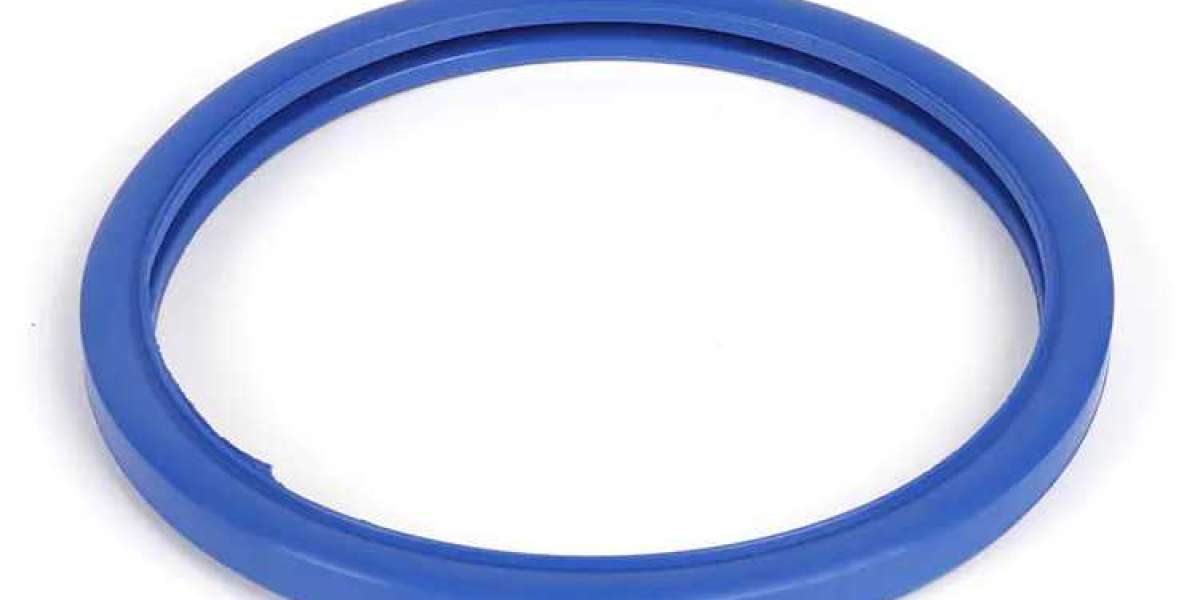
Understanding Automobile Oil Filter Seals
Automobile oil filter seals are critical components that ensure a tight seal between the oil filter and the engine, preventing oil leaks and maintaining optimal engine performance. A properly functioning seal keeps engine oil contained under high pressure and temperature, protecting internal components and improving overall vehicle reliability.
These seals are used in a wide range of vehicles, including cars, trucks, and motorcycles, and are essential for maintaining engine efficiency and longevity. Without a reliable seal, engines can experience oil leakage, reduced lubrication, and potential mechanical failure.
Materials Used for Oil Filter Seals
Oil filter seals are commonly made from durable materials such as nitrile rubber (NBR), silicone rubber, fluororubber (FKM), or polyurethane. Material selection is based on resistance to high temperatures, chemical exposure, oil compatibility, and mechanical wear. High-quality materials ensure the seal remains elastic and functional over long service intervals.
Manufacturing Process and Quality Control
Producing oil filter seals requires precise molding processes, typically injection molding or compression molding, to achieve consistent dimensions and elasticity. Manufacturers conduct strict quality control checks, including dimensional verification, hardness testing, and leak testing, to ensure each seal performs reliably under extreme conditions.
Surface finishing and smoothness are essential to maintain tight contact with the filter and engine housing, preventing leaks and ensuring uniform compression.
Customization for Vehicle-Specific Requirements
Many suppliers offer customized oil filter seals to meet the specifications of different vehicle models. Customization can include varying diameters, thicknesses, hardness levels, or material compositions to match engine requirements. Vehicle manufacturers and aftermarket suppliers benefit from these tailored solutions to enhance compatibility and performance.
Performance and Maintenance
High-quality oil filter seals maintain elasticity and sealing force even under extreme engine heat and pressure fluctuations. Proper installation is essential; seals should be seated evenly without twisting or deformation. Routine inspection and replacement during oil filter changes are recommended to avoid leakage and maintain engine reliability.
Applications Across Automotive Industry
Oil filter seals are used in passenger cars, commercial trucks, motorcycles, and heavy-duty machinery. They are especially critical in high-performance engines and industrial vehicles where pressure and temperature demands are higher. Reliable seals ensure efficient oil circulation, reduced wear, and improved engine lifespan.