
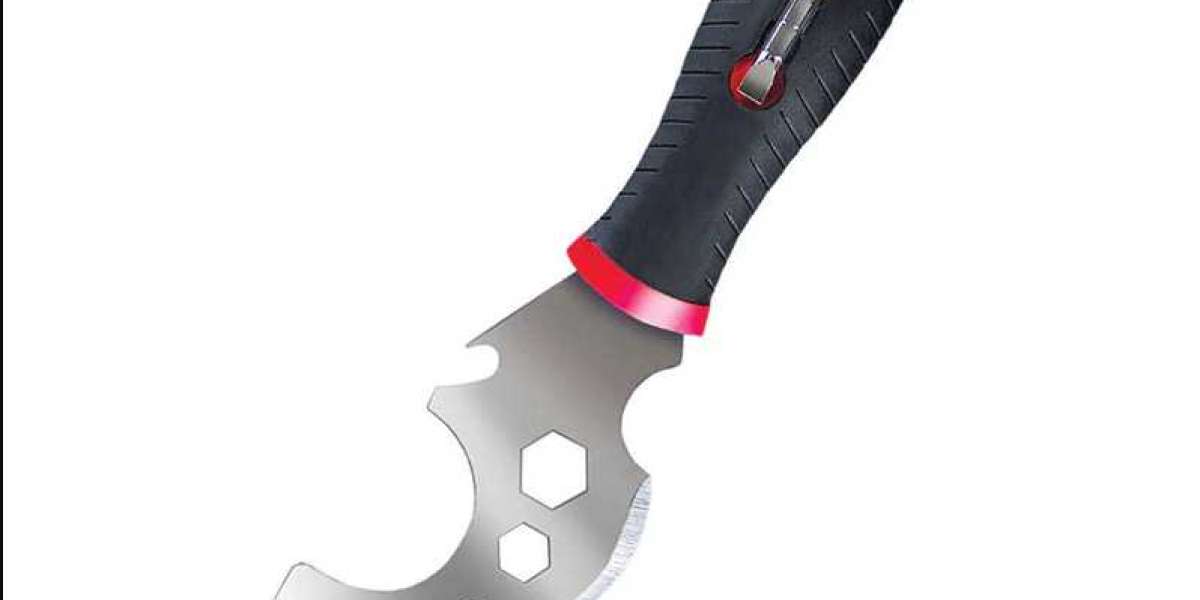
The Putty Knife is often overlooked but serves as a foundational tool in repair and finishing projects. It allows precise application of fillers in small cracks or dents and efficient scraping of paint, caulk, or adhesive. Flexible knives are preferred for smoothing surfaces, and stiff knives excel at removal work.
Material choice affects durability. Stainless steel resists rust and is easy to maintain, while carbon steel delivers sharper edges but demands careful care. Blade width also matters: narrow blades provide fine control, and wide blades ensure consistent coverage over larger surfaces. Cleaning and proper storage prevent corrosion and maintain performance over time.
Technique plays a key role in achieving smooth finishes. Moderate pressure, correct blade angle, and multiple passes ensure uniform surfaces. Slight overfill with subsequent smoothing minimizes sanding and improves the overall result.
A properly maintained Putty Knife is valuable for interior renovation, furniture refinishing, and drywall repair. Consistent cleaning, careful use, and appropriate blade selection make it an efficient, practical tool for both professional and DIY users.