
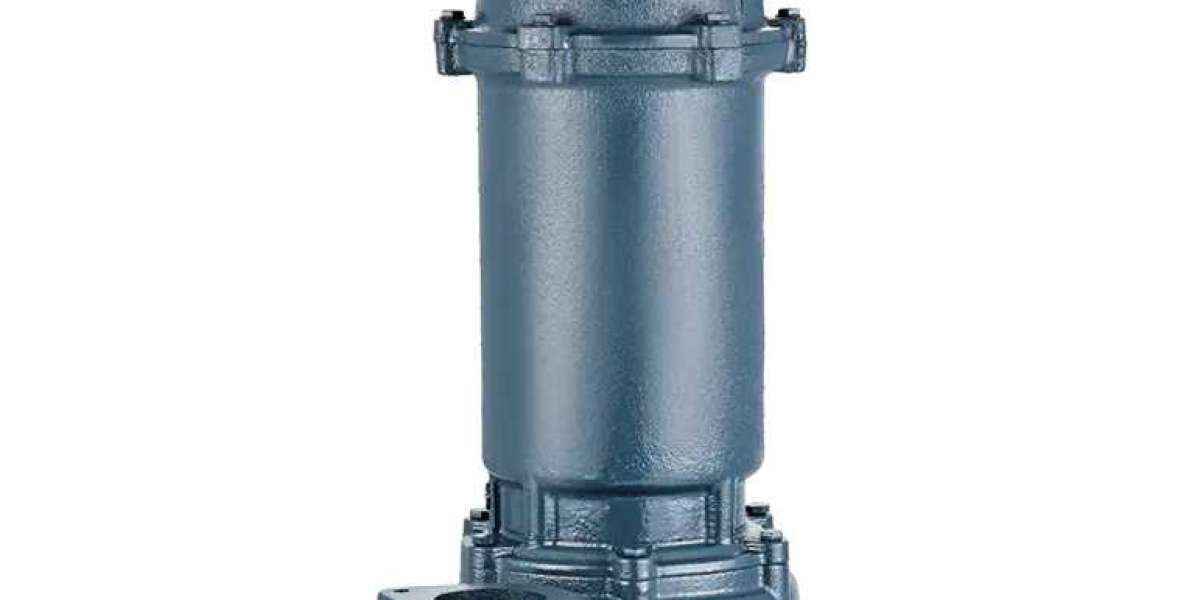
Sewage Water Pump maintenance is a key factor in sustaining efficient wastewater systems. Whether installed in a residential basement or an industrial facility, these pumps are exposed to solids, moisture, and continuous operating cycles that can affect performance over time.
Blockage remains a primary maintenance concern. Materials such as wipes, fibers, or sediment may gradually collect around moving components. Regular inspection of the pump chamber and impeller helps reduce the likelihood of unexpected stoppages and supports smoother operation.
Electrical components also require attention. Power fluctuations or control circuit issues may affect motor performance. In addition, float switches should be checked to confirm accurate response to water levels. Preventive inspection reduces the chance of overload or unnecessary cycling.
Component wear is a natural process. Bearings, seals, and impellers experience gradual degradation, especially in systems handling abrasive materials. Replacing worn components before failure helps maintain efficiency and avoids extended downtime.
Selecting a Sewage Water Pump suited to the application supports easier maintenance. Pumps designed for higher solid content or equipped with cutting mechanisms reduce clogging risks. Submersible models may be preferred where noise reduction and space efficiency are priorities.
When installation and maintenance practices align with system requirements, a Sewage Water Pump can continue operating reliably, supporting consistent wastewater movement and system stability.