Why PVC Film Is Widely Used in Luggage Production
PVC film for luggage is an essential material in the travel goods industry, offering a balance of protection, flexibility, and visual appeal. It is commonly applied to luggage surfaces to enhance durability while allowing designers to achieve various textures, colors, and finishes. As global travel continues to grow, luggage manufacturers increasingly rely on PVC film to meet consumer expectations for both performance and aesthetics.
One of the main reasons PVC film is favored is its adaptability. It can be laminated, heat-pressed, or bonded onto different luggage materials, providing a protective outer layer that helps resist everyday wear. This versatility makes it suitable for a wide range of luggage styles, from business travel cases to casual and fashion-oriented designs.
Protection and Durability Benefits
A key function of PVC film for luggage is surface protection. During travel, luggage is exposed to friction, impact, moisture, and varying temperatures. PVC film acts as a barrier that helps reduce scratches, scuffs, and surface damage, maintaining the luggage’s appearance over time.
The material also offers good resistance to water and humidity. This helps protect underlying fabrics or shells from moisture penetration, especially during airport handling or outdoor exposure. For frequent travelers, this added layer of protection contributes to longer product lifespan and better user satisfaction.
Flexibility and Material Performance
PVC film combines strength with flexibility, which is crucial for luggage applications. It can bend and adapt to curved surfaces without cracking, making it suitable for both rigid and semi-flexible luggage structures. This flexibility ensures that the film remains intact even when the luggage is under pressure or impact.
Additionally, PVC film maintains stable performance across a range of temperatures. Whether exposed to hot storage areas or cooler cargo environments, the film retains its shape and adhesion, supporting consistent product quality.
Surface Finishes and Visual Appeal
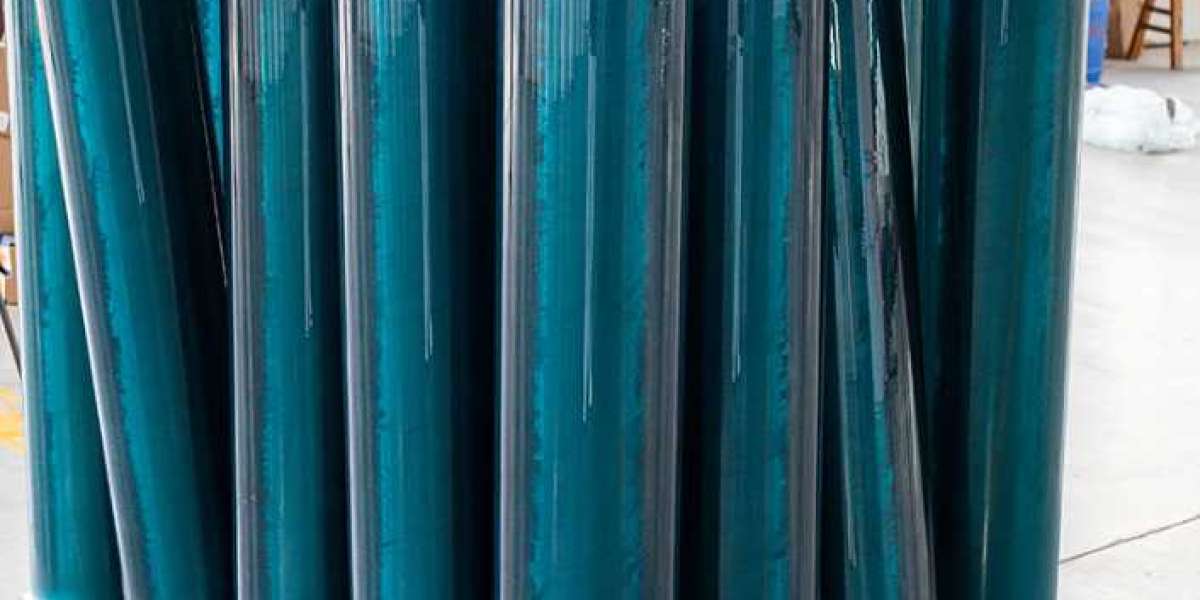
Beyond protection, PVC film for luggage plays a major role in visual design. Manufacturers can choose from glossy, matte, embossed, or textured finishes to create distinctive looks. Transparent and semi-transparent films are often used to highlight underlying patterns, while colored films add bold visual identity.
Embossed textures can simulate materials such as leather or fabric, giving luggage a premium appearance without significantly increasing cost. These design options allow brands to differentiate their products and appeal to diverse consumer preferences.
Customization Options for Brands
Customization is a major advantage of using PVC film in luggage manufacturing. Brands can specify thickness, color, surface texture, and pattern to align with their design concepts. Logos and decorative elements can also be integrated through printing or embossing processes.
This flexibility supports both large-scale production and specialized product lines. Seasonal collections, promotional luggage, and private-label products often rely on customized PVC film to achieve unique branding while maintaining efficient manufacturing processes.
Compatibility With Different Luggage Types
PVC film is suitable for both hard-shell and soft luggage. On hard-shell cases, it enhances scratch resistance and surface finish. On soft luggage, it is often used in reinforced panels or decorative areas to add structure and visual contrast.
Its compatibility with various substrates makes it a practical choice for manufacturers producing diverse luggage categories under one production system.
Manufacturing Process and Quality Control
Producing high-quality PVC film for luggage requires strict process control. Consistent thickness, uniform surface finish, and stable adhesion properties are essential. Manufacturers typically conduct inspections on raw materials and finished films to ensure compliance with performance requirements.
Quality testing may include abrasion resistance, adhesion strength, and visual inspection. These measures help ensure that the film performs reliably throughout the luggage’s service life.