
This is why hiring offshore bookkeepers has become a mainstream strategy—especially for growing businesses heading into 2026.
This blog explains the cost of hiring an offshore bookkeeper, why growing companies choose this model, and why offshore bookkeeping is becoming the default finance solution in 2026.
How Much Does It Cost to Hire an Offshore Bookkeeper?
The cost of hiring an offshore bookkeeper varies based on experience, tools, scope, and engagement model—but it is significantly lower than hiring an in-house resource.
Typical Cost Ranges
While pricing depends on location and expertise, most businesses can expect:
- Junior offshore bookkeeper: Lower cost, handles data entry and basic reconciliations
- Mid-level offshore bookkeeper: Manages full bookkeeping cycles, month-end close, and reporting
- Senior offshore bookkeeper / reviewer: Oversees quality, handles complex entries, and ensures compliance
Compared to a full-time in-house hire—where salary, benefits, training, and attrition costs add up—offshore models offer predictable monthly pricing and flexible capacity.
Factors That Influence Cost
Several variables affect offshore bookkeeping pricing:
- Scope of work: Basic bookkeeping vs full-cycle accounting
- Transaction volume: Number of bank accounts, invoices, and payments
- Software expertise: QuickBooks, Xero, NetSuite, or multi-entity setups
- Review layers: Single contributor vs reviewer-manager models
- Time zone overlap and SLAs: Faster turnaround often costs more
The most cost-effective providers offer fixed monthly fees or clear tier-based pricing, avoiding surprise costs.
Offshore vs In-House Cost Comparison
Hiring in-house includes:
- Salary and benefits
- Payroll taxes
- Training and onboarding
- Leave and attrition risk
Hiring offshore includes:
- One predictable fee
- Built-in backup and continuity
- No recruitment or HR overhead
- Scalable capacity
For most businesses, offshore bookkeeping delivers 30–60% cost savings without compromising accuracy or control.
Why Growing Businesses Hire Offshore Bookkeepers
As businesses grow, accounting demands increase faster than revenue teams can manage internally.
- To Scale WithoutOverhiring
Growing companies need flexibility. Offshore bookkeepers allow businesses to:
- Increase capacity during high-volume periods
- Reduce support during slower months
- Avoid permanent staffing commitments
This scalability is ideal for startups and mid-market firms.
- To Improve Accuracy and Timeliness
Professional offshore teams operate with:
- Standard operating procedures (SOPs)
- Multi-layer reviews
- Month-end close checklists
This structure reduces errors and ensures books are closed on time—something many small internal teams struggle with.
- To Free Internal Teams for Strategic Work
When internal staff handle repetitive bookkeeping, strategic work suffers. Offshore bookkeepers take over execution so internal teams can focus on:
- Cash flow planning
- Budgeting and forecasting
- Advisory and decision-making
- To Support Multi-Entity and Global Operations
As companies expand into new markets, offshore bookkeepers provide:
- Multi-currency handling
- Entity-wise reporting
- Consistent documentation across regions
This standardization is difficult to achieve internally at scale.
Why Businesses Hire Offshore Bookkeepers in 2026
By 2026, offshore bookkeeping is no longer just a cost-saving tactic—it’s a strategic finance model.
- Remote-First Finance Is the New Normal
Cloud accounting platforms have made location irrelevant. Offshore bookkeepers work directly inside:
- QuickBooks Online
- Xero
- NetSuite
- Integrated AP and payroll systems
This enables real-time collaboration without geographic constraints.
- Talent Shortages Continue to Rise
Accounting talent shortages and rising wages make in-house hiring increasingly difficult. Offshore models provide access to skilled professionals without competing in tight local labor markets.
- Compliance and Audit Readiness Matter More Than Ever
With increased regulatory scrutiny, businesses need:
- Clean reconciliations
- Audit-ready documentation
- Consistent processes
Offshore providers specialize in process discipline and compliance support.
- Predictable Costs Are Critical in Uncertain Markets
Economic uncertainty makes variable staffing risky. Offshore bookkeeping offers:
- Fixed monthly costs
- Transparent SLAs
- Measurable performance metrics
This predictability helps finance leaders plan with confidence.
- Finance Teams Are Shifting from Execution to Insight
In 2026, finance teams are expected to deliver insights—not just reports. Offshore bookkeepers handle execution, allowing internal teams to focus on analytics, strategy, and growth.
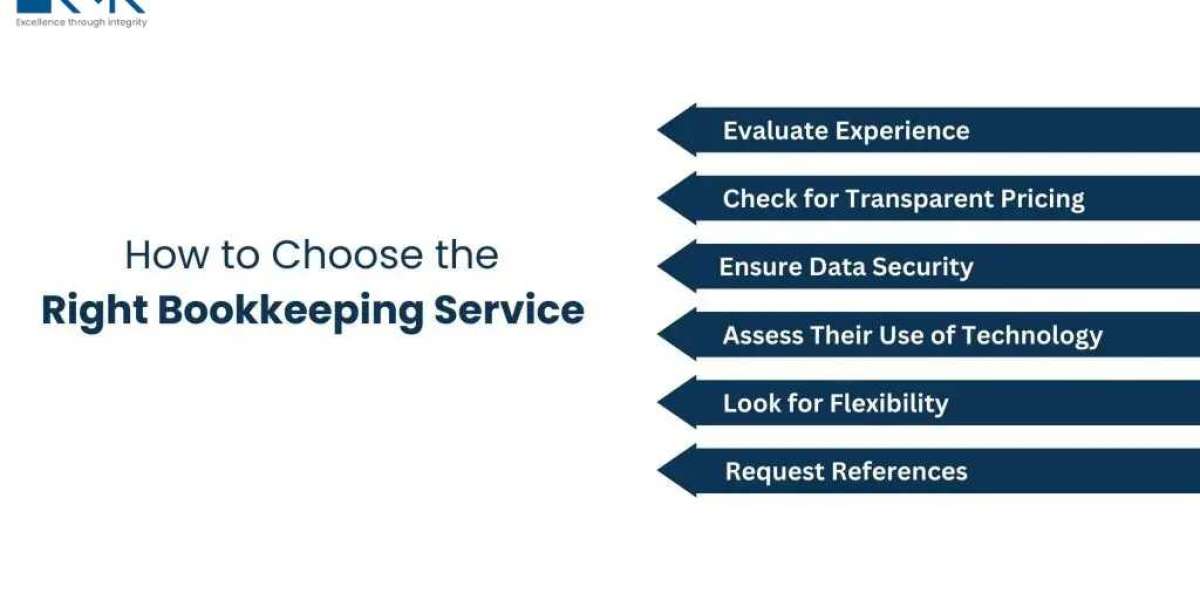
What to Check Before Hiring an Offshore Bookkeeper
To maximize success, businesses should evaluate:
- Data security and compliance standards
- Platform certifications and experience
- SOPs and review models
- Clear scope definitions
- SLAs and escalation paths
The right partner makes offshore bookkeeping a long-term advantage.
Conclusion
Hiring an offshore bookkeeper is a cost-effective, scalable, and future-ready solution for growing businesses. The cost savings are meaningful, but the real value lies in accuracy, consistency, flexibility, and strategic focus.
In 2026 and beyond, businesses that hire offshore bookkeepers will gain cleaner books, faster closes, and the freedom to focus on growth—while maintaining full financial control.