
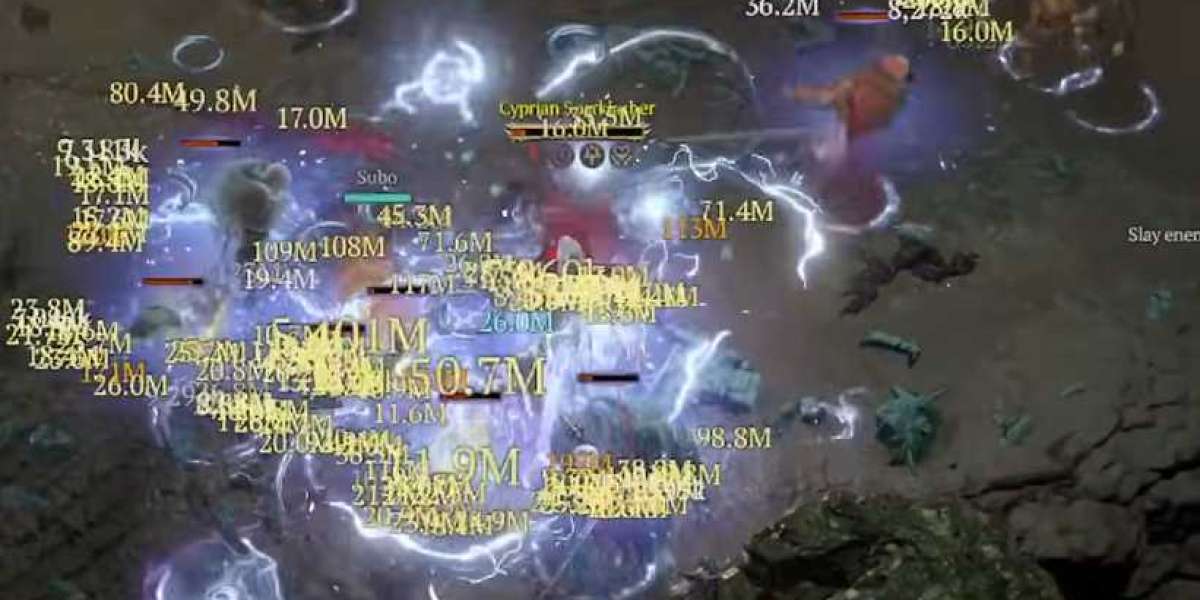
As someone who has spent a lot of time in Diablo 4 since launch, I’ve noticed that most players aren’t struggling because they don’t know what gear they want. They struggle because they’re not sure where to spend their time to get it efficiently. This guide focuses on how gearing works in practice, based on how people usually play, and how you can avoid wasting hours on low-value activities.
What Counts as High-End Gear in Diablo 4?
In general, high-end gear means items that help you clear content faster and more safely in World Tier 4. This usually includes:
Ancestral items with high item power
Correct affixes for your build
One or two key Uniques that enable your playstyle
Most players don’t need perfect rolls. In practice, gear that’s “good enough” will carry you through almost all content. The real time sink comes from chasing upgrades that barely change your performance.
Where Do Most Players Waste Time While Gearing?
Usually, time is lost in three main ways:
Farming the wrong activity for your goal
Picking up and checking too much loot
Chasing rare drops too early
For example, many players run random dungeons or side content hoping for upgrades, but those activities often have poor reward density compared to more focused options.
Are Nightmare Dungeons Still the Best General Option?
For most players, yes.
Nightmare Dungeons are still the most consistent source of high-end gear once you’re in World Tier 4. In practice, they work well because they combine several benefits:
High monster density
Regular Ancestral drops
Glyph experience at the same time
Most experienced players don’t push the highest tier they can. Instead, they usually farm tiers they can clear quickly and safely. Speed matters more than difficulty. A fast Tier 40–50 run often gives better results than struggling through Tier 70+.
How Important Is Target Farming in Diablo 4?
Target farming matters, but only to a point.
In theory, certain bosses and activities have better chances for specific Uniques. In practice, the drop rates are still low enough that most players treat target farming as a bonus, not a guarantee.
For example:
If you need a specific Unique, running the related boss makes sense.
If you’re still missing good Ancestral rares, general farming is usually faster.
Most players alternate between targeted content and general farming to avoid burnout and bad luck streaks.
Should You Focus on Helltides for Gear?
Helltides are useful, but they’re not a complete solution.
In general, Helltides are good for:
Farming Forgotten Souls
Opening Mystery Chests
Getting crafting materials alongside gear
The gear quality is fine, but not exceptional. Most players use Helltides as a supplement rather than their main farming method. They’re especially useful early in World Tier 4 when upgrading and rerolling gear matters more.
How Do World Bosses and Legion Events Fit In?
These activities are usually done for efficiency, not excitement.
World Bosses:
Take very little time
Have a chance to drop high item power gear
Are worth doing if you’re already online
Legion Events:
Provide steady experience
Drop acceptable gear early on
Lose value later in the endgame
Most experienced players don’t plan their sessions around these events, but they don’t skip them either if the timing works out.
How Much Should You Care About Item Power vs Affixes?
This is where many players get confused.
In general:
Item Power affects base stats like armor and weapon damage
Affixes define how well the item fits your build
Most players should prioritize correct affixes first, then worry about item power. A slightly lower item power piece with the right stats usually performs better than a high-power item with bad rolls.
This is especially true for weapons early on, where damage scaling matters more than perfection.
Is It Worth Optimizing Gear Early?
Usually, no.
Most players replace gear frequently while leveling and early in World Tier 4. Heavy optimization makes more sense when:
You’ve settled on a build
Upgrades are becoming rare
You’re pushing higher Nightmare tiers
Before that point, it’s more efficient to aim for “good enough” gear and keep moving.
How Do Experienced Players Decide What to Keep?
Most experienced players use simple filters:
Does this item have at least two useful affixes?
Can it realistically replace something I’m wearing?
Is it worth the gold and materials to reroll?
If the answer is “no” to all three, it gets salvaged or sold. This habit alone saves a lot of time over long play sessions.
What Role Do External Resources Play?
Most players eventually look outside the game for build ideas and farming strategies. This usually includes community guides, spreadsheets, and discussion hubs. Some players come across sites like U4N while searching for general Diablo 4 information, price comparisons, or patch discussions. In practice, external resources are most helpful for understanding trends, not for copying setups blindly. What works on paper doesn’t always match how people actually play.
How Do You Balance Efficiency and Fun?
This matters more than people admit.
Pure efficiency can burn players out quickly. Most experienced players rotate activities:
A few Nightmare Dungeons
A Helltide when it’s up
A boss run if materials allow
This approach keeps progression steady without feeling like a job. In the long run, consistent play beats extreme optimization.
What’s the Real Key to Saving Time?
In practice, saving time in Diablo 4 comes down to three habits:
Choose activities with high reward density
Stop chasing perfect gear too early
Limit how much loot you evaluate
Most players who feel “stuck” aren’t unlucky. They’re just spreading their time too thin.
If you focus on what actually moves your character forward, high-end gear comes naturally over time—without turning the game into a grind you don’t enjoy.