
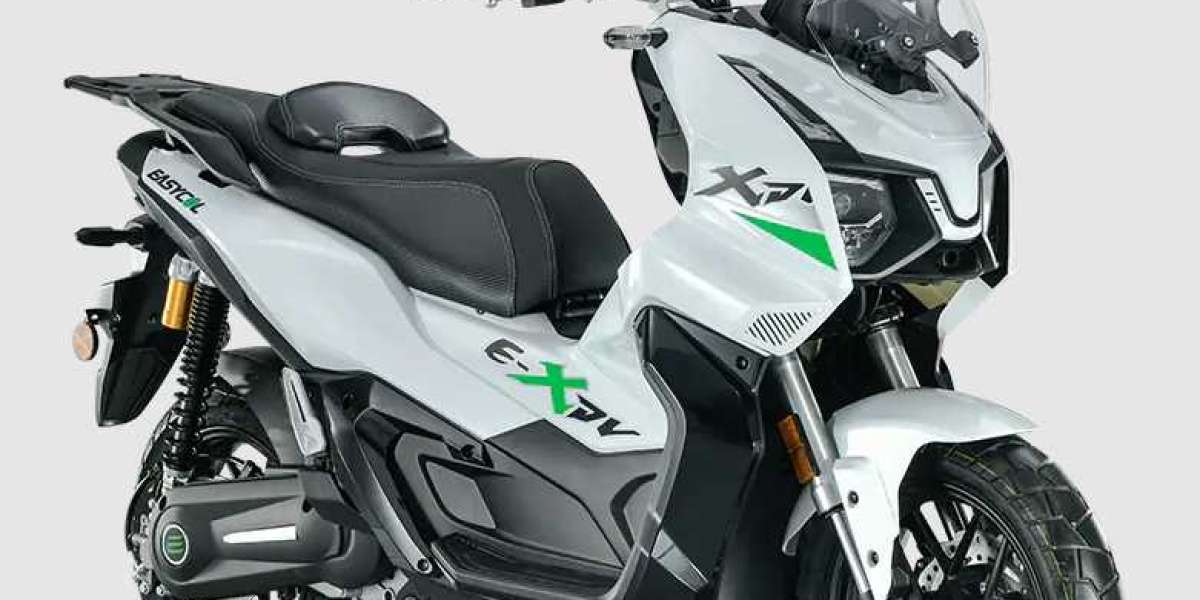
For an electric motorcycle maker, the transition from internal combustion is not merely a swap of powerplants; it is a fundamental rethinking of the motorcycle's core architecture. The most significant shift is the replacement of a compact, heavy engine and fuel tank with a large, dense, and often rectangular battery pack. This transforms the battery from a mere energy container into the single most influential component dictating the vehicle's dynamics, safety, and aesthetics. Consequently, frame design evolves from a structure built around an engine to a structure built for and with the battery, prioritising optimal weight distribution, structural integration, and protective safety.
The Battery as a Stressed Member: Integration Over Housing
Traditional motorcycle frames are designed to cradle a motor, which acts as a rigid, stressed member. An innovative electric motorcycle maker applies this principle to the battery pack. The most advanced approach is to design the battery pack as a structural element of the frame itself. Instead of building a complete traditional tube or twin-spar frame and then dropping in a battery box, the maker engineers a rigid, enclosure-like battery casing with integrated mounting points. The front suspension headstock and the rear swingarm pivot are then attached directly to this central battery structure. This approach, often called a "monocoque" or "skateboard" architecture, achieves exceptional stiffness, reduces the total number of parts (and weight), and places the mass ultra-low and centralised. The entire vehicle's stiffness and crash integrity are tied to the battery casing's design, requiring close collaboration between battery engineers and structural chassis designers from the outset.
Optimizing Center of Gravity and Polar Moment of Inertia
The handling character of a motorcycle is profoundly affected by its centre of gravity (CG) and polar moment of inertia (resistance to changes in direction). A traditional bike has a high CG due to the tall engine and fuel tank above the crankshaft. An electric motorcycle maker has a unique opportunity. By shaping the battery pack as a wide, flat slab and placing it as low as possible in the chassis—often extending below the swingarm pivot axis—the CG can be lowered dramatically. A low CG makes the motorcycle more stable at low speeds, more confident in corners, and less prone to tipping over.
Furthermore, by concentrating the battery mass close to the bike's central vertical axis (between the wheels), the polar moment of inertia is minimised. This makes the motorcycle feel flickable and quick to change direction, as there is less heavy mass out at the extremities resisting the turn-in. The frame design must facilitate this by providing a narrow "waist" where the rider's legs grip, allowing the battery to be wide and low below but not interfering with ergonomics.
Safety, Serviceability, and Modular Design
Frame design is also a primary safety system. For an electric motorcycle maker, the frame must provide a robust safety cell for the battery, protecting it from impact in a crash. This involves designing high-strength longitudinal and lateral members around the pack, creating defined crush zones that absorb energy before it reaches the cells. Cooling channels for the battery's thermal management system must also be routed within or alongside the frame structure.
Simultaneously, the design must allow for serviceability and potential battery replacement. This creates a tension: the most integrated structural design offers the best performance but can make battery access difficult. Makers often adopt a compromise—a modular structural frame where large, bolted side covers or a removable top section provide access to the battery while still allowing it to contribute to overall stiffness. The frame design thus becomes a key factor in the long-term ownership experience and sustainability of the product.