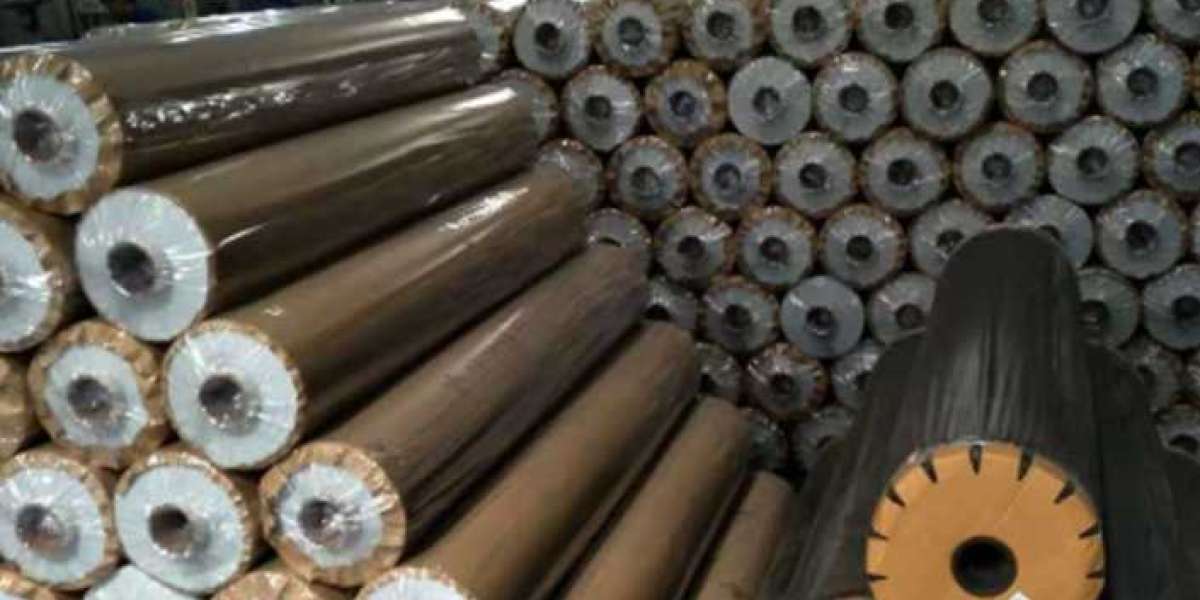
PVC automotive decorative film is far more than simple colored vinyl; it is a highly engineered laminate designed to withstand the harsh, variable environment of a vehicle's interior and exterior while maintaining its aesthetic appeal for years. Pure polyvinyl chloride (PVC) resin is inherently rigid and brittle, and degrades rapidly under UV exposure. To transform it into a flexible, durable, and weather-resistant material suitable for dashboards, door trims, and exterior wraps, manufacturers rely on a sophisticated cocktail of primary plasticizers and stabilizer systems. The selection and balance of these additives are the defining factors in the film's performance, lifespan, and compliance with increasingly stringent automotive and environmental standards.
Primary Plasticizers: The Art of Flexibility
Plasticizers are non-volatile solvents that interpose themselves between the long polymer chains of PVC, reducing intermolecular forces and allowing the chains to slide past each other. This imparts the essential flexibility, elongation, and softness required for the film to conform to complex 3D contours during vacuum forming and to withstand thermal expansion and contraction.
For automotive-grade applications, the choice is critical due to performance and regulatory demands:
Phthalates (Traditional): DINP (Diisononyl phthalate) and DIDP (Diisodecyl phthalate) have been widely used for their excellent compatibility, low volatility, and cost-effectiveness. However, due to environmental and health concerns, their use is increasingly restricted, especially in interior applications where off-gassing is a concern.
Non-Phthalate Plasticizers (Growing Segment): To meet stricter regulations (e.g., REACH, GADSL), manufacturers are turning to alternatives such as:
Trimellitates (e.g., TOTM): Offer high-temperature resistance and low volatility, ideal for under-hood or sun-exposed components.
Polyester Polymerics: Provide permanence (low migration) and excellent long-term flexibility but are more expensive and viscous.
Bio-based Plasticizers: Such as epoxidized soybean oil (ESBO), which also acts as a secondary stabilizer.
The plasticizer must be selected for low migration (to prevent it from leaching out and causing film hardening or adjacent material damage) and low fogging (to prevent condensation of volatiles on car windows).
Stabilizer Systems: Defenders Against Degradation
PVC is thermally unstable and degrades under heat and UV radiation, leading to discoloration (yellowing), loss of mechanical properties, and surface chalking. A multi-component stabilizer system is essential.
Heat Stabilizers: These are crucial during the high-temperature processing (calendering, extrusion) of the film. Mixed metal soaps based on calcium-zinc (Ca/Zn) are the dominant, environmentally friendly choice for automotive film, having largely replaced toxic lead and cadmium-based stabilizers. They work by absorbing the hydrochloric acid (HCl) released when PVC breaks down, preventing an autocatalytic degradation reaction.
UV Stabilizers: To protect the film and its colorants from solar radiation, a combination of UV absorbers (UVAs) and Hindered Amine Light Stabilizers (HALS) is used.
UVAs (e.g., benzotriazoles, benzophenones) act as a "sunscreen," absorbing harmful UV energy and converting it into harmless heat.
HALS are more sophisticated; they do not absorb UV but instead neutralize the free radicals generated by UV exposure, interrupting the degradation chain reaction. They are exceptionally effective at preventing long-term color fading, gloss loss, and surface embrittlement.
Antioxidants: Often used in conjunction with HALS to protect against thermal-oxidative degradation, especially at the high temperatures experienced on dark interior surfaces or exterior body panels.
Synergistic Formulation and Testing
The true engineering lies in the synergistic formulation. The plasticizer and stabilizer systems must be compatible with each other, with the PVC resin, and with color pigments. They must not bloom to the surface or interact negatively.