
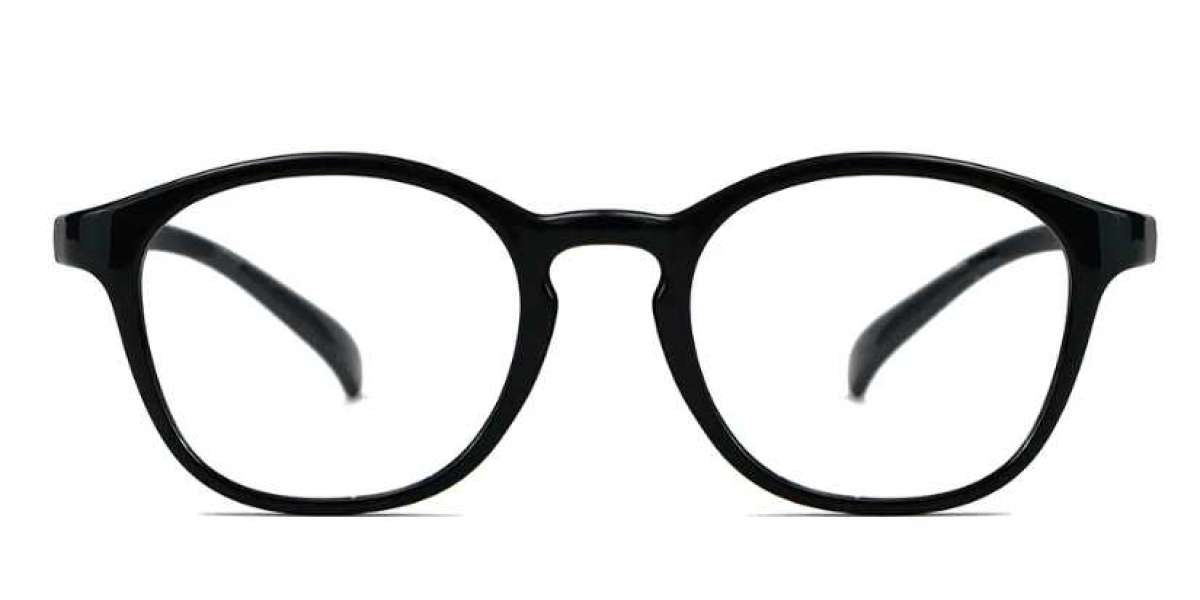
Separating Hype from Evidence in Eye Care
The market for specialty eyewear is filled with bold claims about reducing eye strain and improving sleep. For a conscientious blue-light-blocking glasses manufacturer, the path to credibility often leads to a critical, yet costly, juncture: independent clinical trials. While in-house testing is essential, third-party validation represents the gold standard for demonstrating real-world efficacy.
The Limits of In-House Laboratory Data
Any legitimate manufacturer begins with solid in-house research. Using tools like spectrophotometers, engineers can precisely measure the percentage of specific blue light wavelengths a lens blocks. This data is vital but incomplete. It answers “what the lens does” in a controlled setting, but not “how it affects a living person.” Subjective experiences of eye comfort, focus endurance, or sleep quality cannot be captured by a machine. This gap between optical performance and human benefit is where marketing language can easily fill the void without substantiation.
The Rigor of Independent Clinical Trials
Undertaking an independent clinical trial is a significant commitment. It involves partnering with a research institution or ophthalmological clinic and designing a study that meets scientific standards. Typically, these are double-blind, placebo-controlled studies. One group wears lenses with the active filtering technology, while a control group wears visually identical placebo lenses with no filtering capability. Participants then perform standardized tasks for hours, such as reading on digital devices, while researchers measure objective metrics like blink rate (a key indicator of eye strain) and subjective feedback through validated questionnaires about discomfort and fatigue. For sleep studies, participants might wear sleep trackers to monitor changes in sleep onset and quality.
Why Many Manufacturers Hesitate
The process is expensive, time-consuming, and carries risk. A trial might not yield statistically significant results, or it could reveal that benefits are more subtle than advertised. Therefore, a manufacturer that invests in and publicly shares positive independent trial results is making a strong statement about confidence in their product’s science. It shifts the claim from “our lenses block X% of blue light” to “a peer-reviewed study found that users of our lenses reported Y% less eye strain.” This evidence is powerful for both B2B clients, like eyewear brands seeking reliable suppliers, and for end consumers navigating a crowded market.
The Impact on Industry Standards
When leading manufacturers pursue this level of validation, it raises the bar for the entire industry. It encourages transparency and moves the conversation beyond simple technical specifications to tangible user outcomes. It also helps educate the market. Consumers begin to look for evidence behind claims, asking which studies support a product’s benefits. This demand for proof ultimately rewards manufacturers who prioritize rigorous science over marketing narratives, fostering a market where product development is driven by genuine human-centric research rather than competitive hype.