
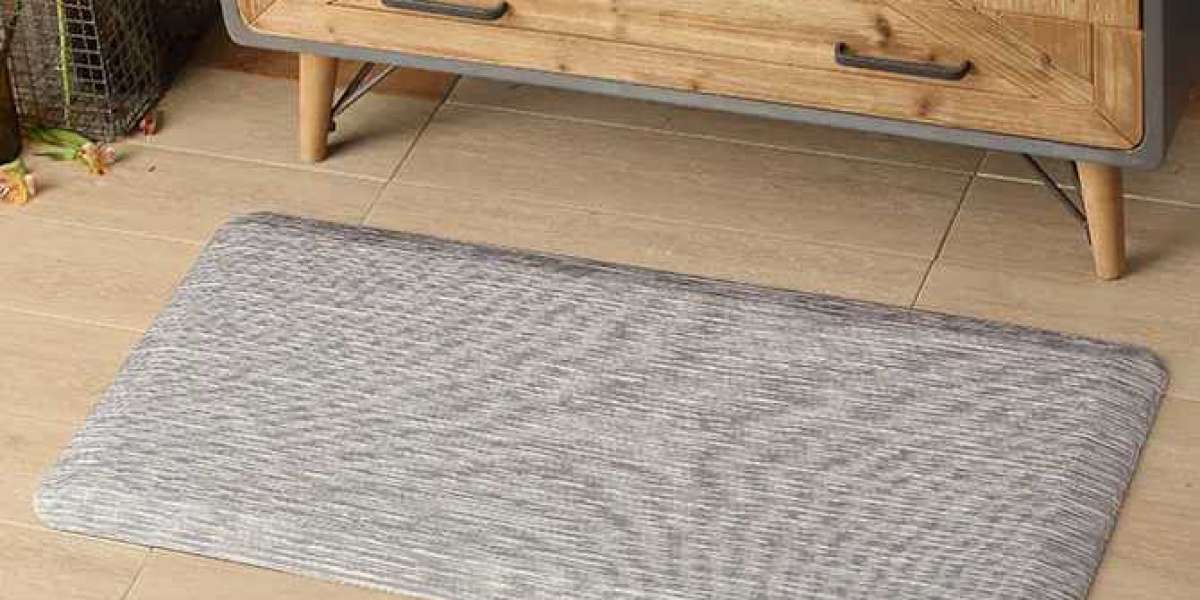
Engineering Comfort for the Standing Workforce
Anti-fatigue mats are engineered floor coverings designed to reduce physical strain and discomfort for individuals who must stand for prolonged periods. Far more than simple padded rugs, these products are the result of applied ergonomics, biomechanics, and materials science. Their primary function is to create a subtly unstable surface that promotes micro-movements in the muscles of the legs and feet, improving blood circulation and reducing the static loading on joints and the spine. This deliberate intervention transforms a passive standing posture into an active, less taxing one, directly targeting the causes of occupational fatigue.
The Biomechanical Principle: Promoting Micro-Movement
The core science behind these tools lies in their ability to counteract venous pooling and muscular stiffness. When standing on a hard, unyielding surface like concrete, the body tends to lock into a fixed position to maintain stability. This static posture reduces the muscular "pump" that returns blood to the heart, leading to discomfort and swelling. A well-designed mat has a specific density and resilience that provides cushioned support while requiring the body to make minute, continuous adjustments for balance. This gentle, involuntary engagement of calf and foot muscles stimulates circulation, delivers more oxygen to tissues, and disperses pressure points. The result is a significant delay in the onset of fatigue, allowing for longer, more comfortable, and more productive periods of standing work.
Material Technology and Application-Specific Design
Performance is dictated by material composition and construction. High-Density Rubber mats offer durability, excellent support, and inherent slip resistance, making them ideal for industrial, garage, and commercial kitchen environments where liquids and grease are present. Polyvinyl Chloride (PVC) or Vinyl options are easy to clean and often used in laboratories, salons, and retail spaces. Polyurethane Foam or Gel-Filled mats provide superior cushioning and are a top choice for standing desk users or assembly stations with minimal spill risk. Critical design features include a beveled edge to prevent tripping, a non-slip backing to secure the mat in place, and a textured surface for added traction. For large or irregular spaces, interlocking tile systems offer customizable coverage and easy replacement of damaged sections.
Integration into a Holistic Ergonomics Program
While highly effective, these floor solutions are most powerful when integrated into a broader workplace wellness strategy. They are a foundational element, but should be combined with other interventions. This includes encouraging proper footwear, providing sit-stand stools for intermittent relief, training workers on posture and stretching, and ensuring work surface heights are optimized to prevent leaning or reaching. For office settings with standing desks, a smaller, personal mat is crucial, as carpeted or hard office floors do not provide the necessary resilience. The choice of mat must match the specific task; a soft, thick mat perfect for a standing desk may be inappropriate and even hazardous in a kitchen where rolling carts are used, requiring a firmer, thinner profile.
Evaluating Quality and Calculating Return on Investment
Selecting a quality product involves assessing thickness (typically 3/8" to 3/4" for most applications), density (a dense mat supports better than a soft, easily compressed one), and durability. Commercial-grade mats should resist tearing, curling at the edges, and permanent compression from heavy stationary equipment. The financial justification for businesses is clear: reduced fatigue leads to fewer musculoskeletal disorders (MSDs), lower absenteeism, decreased workers' compensation claims, and sustained employee productivity and morale. The cost of a high-quality mat is minimal compared to the medical and productivity costs associated with even one case of work-related lower back or leg pain.