
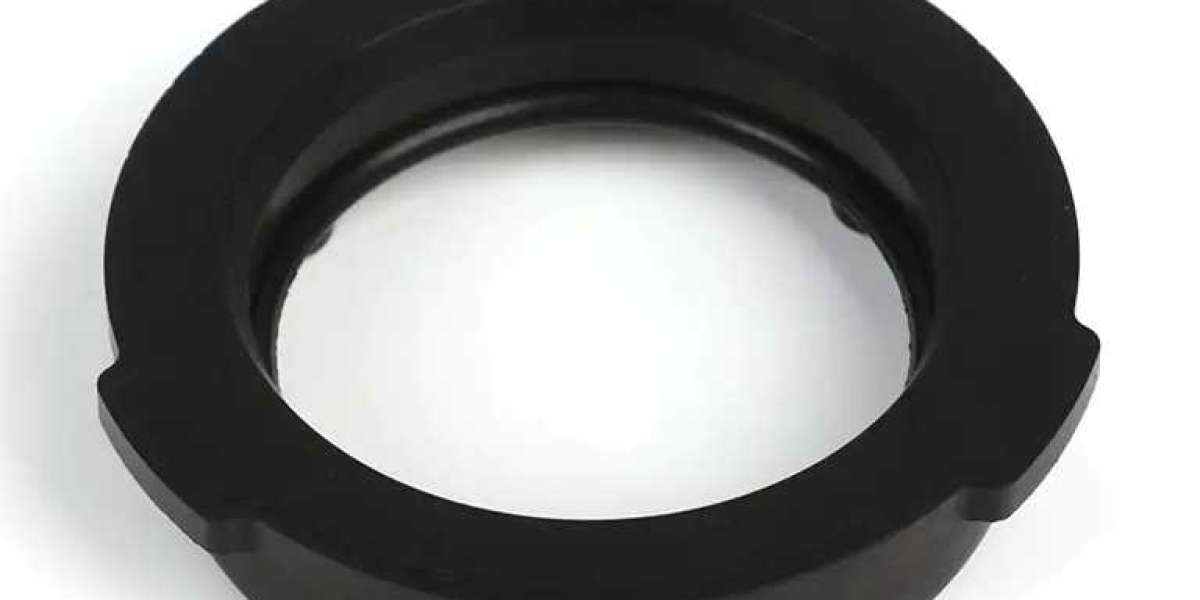
The Critical Barrier in Engine Protection
Automobile oil filter seals are specialized, precision-engineered components whose sole function is to create a perfect, leak-free interface between the oil filter and the engine block. Operating in one of the harshest environments under the hood, these seals must withstand continuous exposure to hot engine oil, significant pressure pulsations, thermal cycling, and vibration, all while maintaining their elastomeric properties for thousands of miles. Their performance is non-negotiable; a single failure compromises the entire lubrication system, making them a small but systemically vital element in engine durability and reliability. Their design is a direct response to the specific chemical, thermal, and mechanical challenges presented by modern automotive engines.
Material Science: Balancing Resilience with Compatibility
The choice of elastomer is a critical engineering decision based on rigorous testing. Nitrile Rubber (NBR) has been a long-standing, cost-effective workhorse, offering good resistance to standard mineral oils and moderate temperatures. However, the evolution of engine technology has driven the adoption of advanced materials. Fluoroelastomer (FKM/Viton) is now prevalent, especially in performance and European vehicles, due to its exceptional resistance to high temperatures (exceeding 200°C/400°F), synthetic oils, and aggressive additive packages. Silicone (VMQ) is sometimes used for its extreme flexibility across a wide temperature range but may have limitations against certain oil types. The material formulation is tailored for a low compression set, meaning the seal retains its shape and sealing force over long periods under clamp load, preventing leaks as it ages.
Design and Integration: More Than Just a Gasket
These components come in several configurations, each tailored to a specific filter mounting system. The most common is the flat, circular gasket found on spin-on filters, which compresses against a machined mounting surface on the engine. O-ring seals are used in cartridge-style filter systems, seating into a dedicated groove on the filter housing. Some designs are bonded seals, where the elastomer is chemically or mechanically bonded to a metal washer, ensuring precise placement and alignment during installation. The seal's geometry—its cross-section, lip design (if any), and durometer (hardness)—is carefully calculated to provide an optimal balance between sealing force and the torque required for installation, ensuring it deforms correctly to fill microscopic imperfections on the mating surfaces without extruding or twisting.
The Failure Mode and Installation Imperative
The consequence of seal failure is direct engine oil loss, leading to low oil pressure, inadequate lubrication, increased engine wear, and potential catastrophic engine failure. Failure can stem from material degradation due to incompatible fluids or extreme heat, physical damage from improper handling or over-torquing, or extrusion caused by excessive system pressure. The single most critical factor for reliability is correct installation. Best practice dictates lubricating the seal with clean engine oil, hand-tightening the filter until the gasket contacts the engine surface, and then applying only the additional manufacturer-specified torque (usually ¾ to 1 full turn by hand). This ensures uniform compression without cutting, rolling, or pinching the seal—common causes of immediate leaks.