
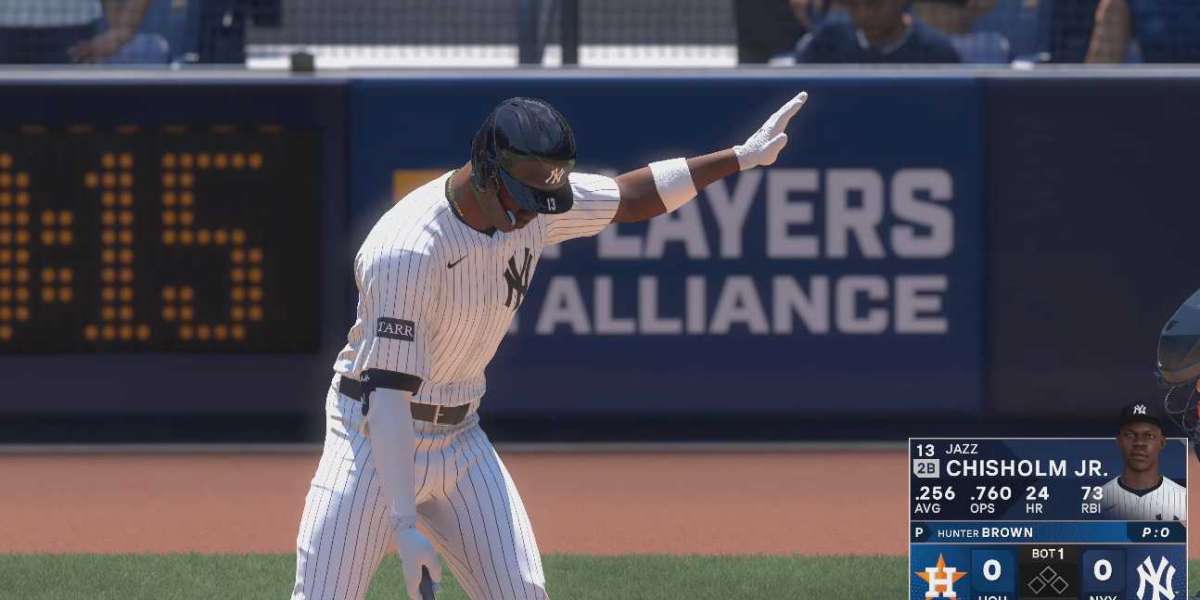
In MLB The Show 26, players are always trying to get the most out of their team, and the infield is one of the most important aspects of the game. One of the stats that often gets overlooked, but has a significant impact, is the Reaction rating. Understanding how this rating works can make a big difference in your infield play, so let’s break it down and see how it impacts your gameplay.
What is the Reaction Rating in MLB The Show 26?
In simple terms, the Reaction rating determines how quickly a player responds to a ball in play. Whether it's a line drive, a ground ball, or a pop-up, players with a high Reaction rating are more likely to react faster and make the play. A lower Reaction rating means the player will be slower to react, which can lead to errors or missed plays.
How Does Reaction Impact Fielding?
Fielding in MLB The Show 26 can be broken down into a few key actions: getting to the ball, positioning yourself for the play, and executing the throw. The Reaction rating plays a key role in the first step: getting to the ball.
Quick Reaction Time: Players with high Reaction ratings will move quickly to where the ball is headed. This means they're more likely to position themselves properly, making the play easier.
Slow Reaction Time: Players with low Reaction ratings will often be late to react to the ball, leading to missed chances or slower attempts at a play. For instance, a second baseman with a low Reaction rating might fail to get to a ground ball up the middle in time, giving the batter a base hit.
The key takeaway here is that Reaction doesn’t just affect whether or not a player gets to the ball—it also influences how well they can set themselves up for the throw.
Does Reaction Affect Specific Positions Differently?
Yes, Reaction has a more noticeable effect on certain positions than others. While every fielder benefits from a high Reaction rating, infielders, especially shortstops and second basemen, are most affected. These positions require fast movements in small spaces, so reaction time is critical.
Shortstop and Second Base: These positions demand the fastest reactions since you often have to move quickly in both directions and cover a lot of ground. A shortstop with a high Reaction rating is likely to get to balls hit deep in the hole and still make a strong throw to first base.
Third Base: Third basemen still benefit from high Reaction ratings, but the impact isn’t as dramatic. The position requires quick reflexes, but they tend to react to more sharply hit balls that don't require as much lateral movement as the other infield positions.
First Base: For first basemen, Reaction doesn’t affect their ability to get to the ball as much. However, a first baseman with a higher Reaction rating will be more likely to react to wild throws from the infield, improving their ability to make successful plays on errant throws.
In practice, a slow-reacting shortstop or second baseman is much more likely to miss a play or be too late to make an accurate throw, even if their fielding rating is high.
How Does Reaction Impact Turned Double Plays?
Reaction plays a significant role in turning double plays, especially for middle infielders. For example, a quick second baseman will be able to get to a ground ball, field it, and make the throw to first base quickly enough to complete the double play.
Quick Reactions in the Pivot: When you're turning a double play, the second baseman must field the ball, pivot, and throw to first base in one smooth motion. Players with a high Reaction rating will get in position faster and will be able to execute the throw more accurately, making the turn quicker.
Slow Reactions in the Pivot: On the other hand, a second baseman with a low Reaction rating will be slower to field the ball and pivot, increasing the chances of an error or missing the play altogether.
So, for anyone trying to build a strong infield, particularly when focusing on middle infielders, prioritizing a high Reaction rating will significantly improve your ability to execute these high-pressure double plays.
How Does Reaction Affect Fielding in the Outfield?
While we’re mainly talking about infield play, it’s important to note that the Reaction rating also affects outfielders, but in a different way. Outfielders generally react to fly balls and line drives, and their Reaction rating determines how quickly they can close the gap between them and the ball.
The difference in how Reaction affects outfielders versus infielders is that outfielders often have more time to react to the ball. Infielders, especially those at shortstop or second base, need to react instantly to the ball, whereas outfielders might get a fraction of a second longer. However, a high Reaction rating for outfielders ensures they can close the distance faster, making it easier for them to track and catch fly balls.
How Do Other Stats Combine with Reaction?
The Reaction rating works best when combined with other key stats like Fielding and Speed:
Fielding: The Fielding rating determines a player’s ability to actually make the play once they get to the ball. A high Reaction rating can get a player in the right position, but a high Fielding rating ensures they can execute the play once they’re there.
Speed: While Speed doesn’t directly affect the Reaction time, a faster player will often get to the ball quicker. So, having a combination of high Reaction and Speed is essential for players who are responsible for covering a lot of ground, like a shortstop or center fielder.
When these stats work together, you can significantly improve your infield play, ensuring that your team makes more plays and allows fewer hits.
How Does Reaction Impact Infield Play in Practice?
Now, let’s talk about how this affects your day-to-day gameplay. In MLB The Show 26, reaction time often comes into play during fast-paced situations like fast ground balls or line drives hit to the infield. Players with a low Reaction rating will take longer to get to the ball, sometimes leading to an infield hit or error. This makes it harder to control the game defensively, especially if you're facing aggressive base runners or fast hitters.
For example, if you're playing against an opponent with a lot of quick batters or if you’ve got fast base runners on base, a slow-responding infielder will be under pressure and likely will not make the play in time. On the flip side, having fielders with high Reaction ratings can make a huge difference in these situations.
Should You Buy MLB The Show 26 Stubs for Better Players?
If you're looking to boost your team, it’s important to consider investing in higher-rated players. One option is purchasing MLB The Show 26 stubs sale online to buy better players or enhance your roster. With these stubs, you can acquire infielders who have high Reaction ratings, improving your team’s defense and giving you a competitive edge in critical game situations.
Reaction ratings are a crucial part of your infield defense in MLB The Show 26. Whether you’re playing as a middle infielder, third baseman, or any other position, the quicker your player can react to the ball, the better your chances of making a successful play. By focusing on players with high Reaction ratings, especially in key defensive spots, you can significantly improve your overall gameplay and reduce mistakes. So, next time you’re building your team or tweaking your roster, make sure Reaction is high on your list of priorities for better infield play.