
Redefining Urban Mobility Beyond Electrification
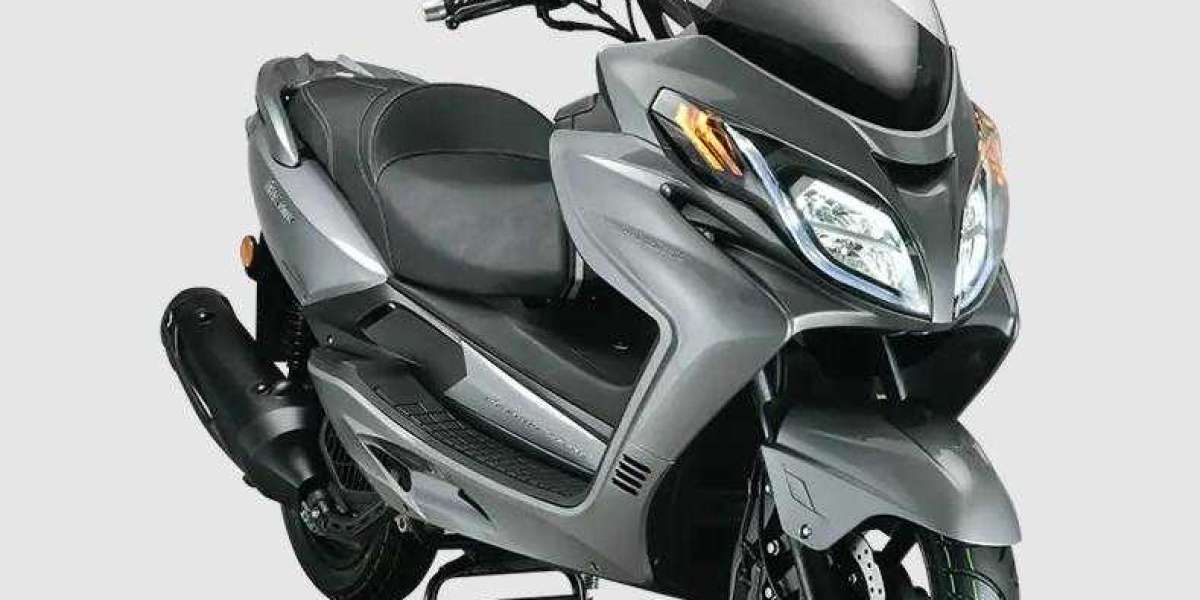
The new design gas scooter represents a significant evolution in a category often perceived as mature, proving that internal combustion engine (ICE) two-wheelers can still innovate fiercely in the era of electrification. This isn't merely a styling refresh; it's a holistic re-engineering focused on efficiency, connectivity, safety, and rider experience. These scooters aim to retain the practical advantages of quick refueling, established infrastructure, and lower upfront cost, while integrating technologies and design philosophies borrowed from automotive and electric vehicle sectors. They target a discerning urban rider who values performance, technology, and design but may not be ready or able to transition to an electric platform due to range, charging, or cost constraints.
Powertrain Refinement: Maximizing Efficiency and Responsiveness
At the heart of the new design is a highly refined powertrain. The traditional carbureted two-stroke is virtually extinct, replaced by electronic fuel injection (EFI) on four-stroke engines for precise fuel metering, lower emissions, and instant cold starts. Engine designs prioritize low-friction components and improved combustion chamber geometry to extract more power and better fuel economy from smaller displacements (often 125cc to 300cc). The Continuously Variable Transmission (CVT) is no longer a simple rubber-belt system; it's optimized with new roller weights, sliders, and drive face designs to provide a more responsive, motorcycle-like acceleration curve and reduce belt wear. Some models even incorporate idle start-stop systems that silence the engine at traffic lights, restarting instantly with a twist of the throttle, directly cutting urban fuel consumption and emissions.
Chassis and Materials: Lightweight, Agile, and Durable
The frame and bodywork undergo a material and design revolution. High-strength tubular steel or aluminum twin-spar frames replace simple single-downtube designs, offering superior handling precision and rigidity. Body panels are increasingly made from injected thermoplastic polymers or sheet molding compound (SMC) for lighter weight, better fit and finish, and complex, aerodynamic shapes unachievable with metal. This focus on lightweighting directly improves power-to-weight ratio and agility. Storage is intelligently integrated, with larger under-seat compartments capable of holding a full-face helmet, and front-mounted utility spaces with USB ports replacing the traditional "glove box."
The Digital Cockpit and Connected Experience
The rider interface has leaped forward. Analog gauges are replaced by full TFT-LCD digital dashboards displaying speed, RPM, fuel level, trip data, ambient temperature, and real-time fuel economy. Bluetooth connectivity allows smartphone pairing for turn-by-turn navigation, call/SMS alerts, and music control via handlebar buttons. Keyless ignition systems with smart fobs are becoming common, enhancing convenience and security. Advanced lighting uses full-LED arrays for headlights, tail lights, and turn signals, offering superior visibility, longevity, and a distinctive signature. These features, once exclusive to premium motorcycles, create a modern, integrated user experience that rivals many cars.