
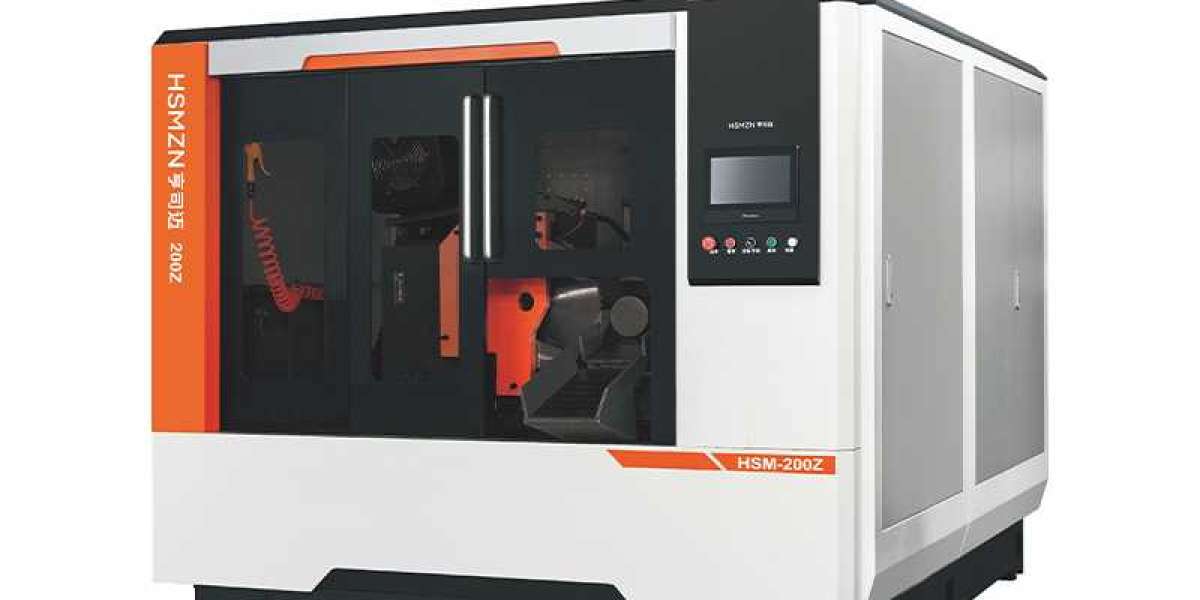
A Circular Saw Machine incorporates multiple integrated safety systems engineered to mitigate the inherent hazards of high-speed rotary cutting. Kickback represents the most significant operational risk, occurring when the blade binds within the kerf and transfers rotational energy to propel the workpiece toward the operator. Stationary saw configurations employ riving knives, a crescent-shaped projection mounted behind the blade maintaining kerf opening and preventing workpiece contact with the rear of the blade. Anti-kickback pawls with sharpened teeth engage the workpiece surface during reverse motion, digging into the wood to arrest kickback progression. Portable saw designs incorporate lower blade guards that automatically retract during cutting and spring-return to fully cover the blade upon completion, with upper guards providing fixed enclosure of blade above the saw base. These mechanical safety systems operate without operator intervention, providing passive protection during both planned cuts and unexpected events.
Electronic safety systems increasingly augment mechanical protections in contemporary Circular Saw Machine designs. Flesh detection technology monitors electrical capacitance between blade and surrounding guard structure, detecting contact with conductive materials including human tissue. Upon detection, a braking system drives the blade below the table surface within milliseconds, substantially reducing injury severity. Overload protection circuits monitor motor current draw, reducing power delivery or interrupting operation before thermal damage to windings occurs. Soft-start circuitry gradually ramps motor speed to full operational RPM, reducing torque reaction during startup and minimizing mechanical stress on gear trains and drive components. Electric brakes apply dynamic braking through controlled shorting of motor windings, halting blade rotation within seconds of trigger release rather than allowing extended coast-down periods. These electronic interventions provide protection scenarios impossible through mechanical means alone, substantially improving operator safety profiles.
Ergonomic design elements in Circular Saw Machine construction reduce operator fatigue and improve control during extended use. Handle configurations position the operator's hand in line with the blade cutting plane, minimizing torque reaction about the wrist during cutting operations. Vibration isolation mounts between motor housing and handle structures attenuate high-frequency oscillations, delaying onset of hand-arm vibration syndrome. Trigger mechanisms incorporate lock-off buttons requiring two-step activation sequences, preventing inadvertent startup during handling. Blade change systems utilize spindle locks and captive fasteners, enabling tool-free or reduced-tool blade replacement. Sight lines and cut indicators provide unobstructed view of the blade-workpiece interface, enabling accurate cut placement without awkward operator positioning. Dust port orientation and hose routing maintain hose position without interfering with workpiece handling. The comprehensive integration of mechanical safeguards, electronic protection systems, and ergonomic design principles in modern Circular Saw Machine construction reflects systematic hazard analysis and iterative safety engineering, progressively reducing the risk profile of this essential woodworking and construction tool while maintaining the operational efficiency and cutting precision that defines its continuing relevance across trade and industrial applications.