
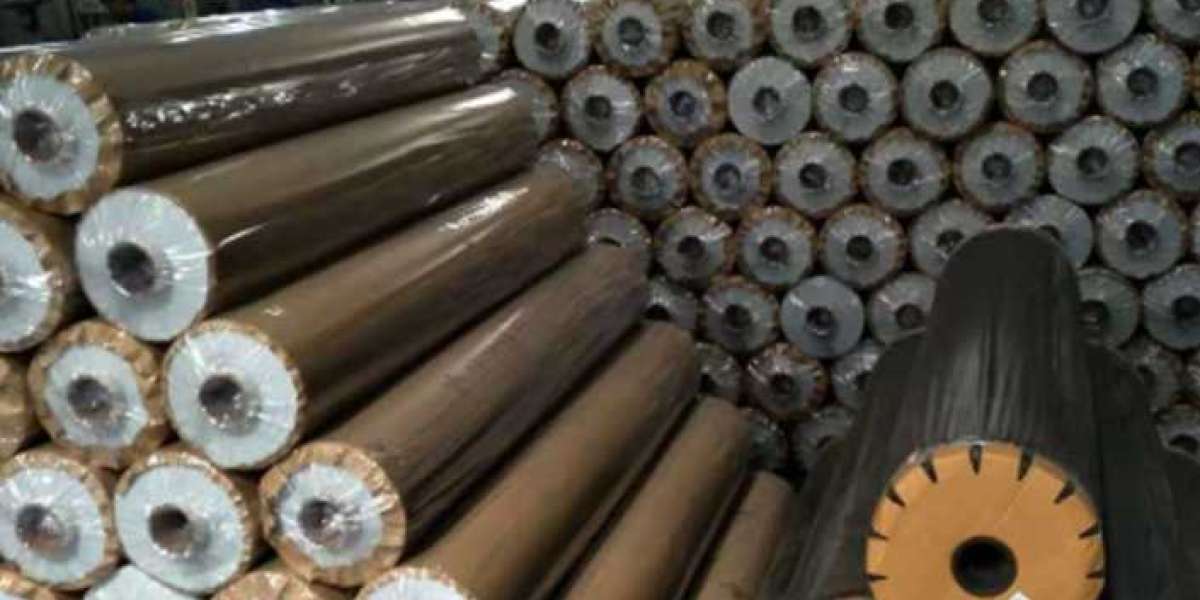
The Customizable Second Skin for Modern Vehicles
PVC automotive decorative film is a specialized pressure-sensitive material engineered to temporarily alter a vehicle's appearance by adhering to its painted surfaces and trim. This thermoplastic product, primarily composed of plasticized polyvinyl chloride, serves as a versatile and reversible alternative to permanent custom paint jobs. It enables the application of a vast spectrum of colors, textures, and effects—from high-gloss metallics and matte finishes to simulated carbon fiber, brushed steel, and color-shifting chromes—directly onto the body, interior panels, or specific accents. Its function extends beyond mere decoration; it also provides a sacrificial layer that protects the underlying factory paint from minor environmental contaminants and UV exposure, making it a popular choice for aesthetic personalization, commercial fleet branding, and refreshing aged vehicle surfaces.
Material Engineering and Performance Layers
A high-grade product is a sophisticated laminate. The top layer is a wear-resistant surface treated with UV inhibitors and often a clear coat to enhance gloss retention and resist staining. Beneath this is the color/effect layer, where pigments, metal flakes, or laminated textures are embedded. The core is a flexible PVC backing that provides the film's conformability and tensile strength. The critical bottom layer is a pressure-sensitive acrylic adhesive, formulated to bond securely yet allow for eventual removal. Key engineered properties include:
Conformability and Memory: The film must stretch when heated to contour over complex curves and recesses without wrinkling, then retain this shape upon cooling.
Environmental Resistance: Quality films are tested against prolonged UV radiation, temperature extremes (-30°C to +80°C), humidity, and exposure to road salts, gasoline, and common cleaning agents.
Dimensional Stability: It should not shrink or expand significantly over time, preventing edge lift and seam separation.
The Professional Application Protocol
Achieving a flawless, durable finish is a technical craft. The process begins with meticulous surface decontamination—washing, de-greasing, and using a clay bar to remove all embedded particles. Any existing wax or silicone must be eliminated, typically with an isopropyl alcohol wipe-down. For exterior wraps, installers often work panel-by-panel. The film is pre-cut using digital patterns or hand-trimmed. Using a heat gun, the material is warmed to increase its plasticity. The installer then strategically positions, stretches, and squeeges the film onto the surface, working from the center outward to eliminate air bubbles. Complex areas like door handles and badges require careful post-forming and precision trimming with a sharp blade. A final post-heating process ensures the adhesive fully bonds and the film's "memory" is set. Interior applications usually involve removing trim pieces for easier wrapping and achieving cleaner edges.