
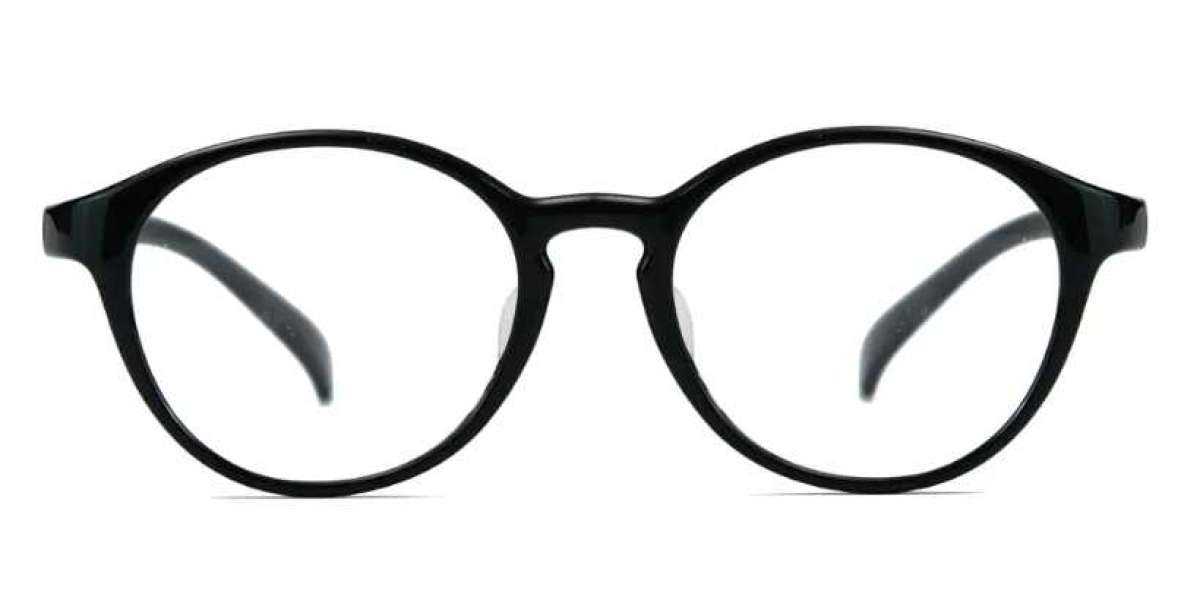
The Architects of Digital Eye Comfort
A blue-light-blocking glasses manufacturer operates at the nexus of optical science, wellness trends, and consumer electronics culture, specializing in the production of eyewear designed to filter a portion of high-energy visible (HEV) blue light. This manufacturer’s role extends beyond simple assembly; it involves the formulation or sourcing of specialized lens materials and coatings, the design of frames suited for prolonged wear, and the validation of performance claims through spectral analysis. Their products cater to a growing market of digital device users seeking solutions for eye strain, sleep cycle support, and proactive visual wellness, requiring a blend of technical credibility, aesthetic appeal, and mass-market scalability.
Core Technologies: The Methods of Modulation
Manufacturers employ several distinct technological pathways to achieve blue light filtration, each with implications for performance, aesthetics, and cost.
Embedded Dye or Material-Integrated Filtration: The lens material itself (often polycarbonate or a proprietary monomer) is impregnated with filtering compounds during the casting process. This creates a permanent, uniform filter throughout the lens, often manifesting as a very subtle yellow or amber tint. It is highly durable but offers less flexibility in tuning the filtration spectrum post-production.
Multi-Layer Interference Coating: The most common method for clear lenses. A nano-scale multi-layer dielectric coating is vacuum-deposited onto the lens surface. This coating is engineered to reflect specific wavelengths of blue light (typically in the 400-455nm range) while allowing other light to pass through. This allows for seemingly clear lenses that still block 10%-40% of HEV blue light. This coating is often integrated into a full anti-reflective (AR) coating stack, which also reduces glare from ambient light.
Hybrid Approaches: Premium manufacturers may combine an embedded filter for bulk reduction of a blue light spectrum with a targeted coating for fine-tuning, aiming to maximize blockage of potentially disruptive wavelengths while preserving color accuracy for graphic designers or gamers.
The Manufacturing and Validation Pipeline
The production process varies by technology but follows a disciplined optical manufacturing chain.
For Coated Lenses: Standard clear lenses (prescription or plano) are sourced and undergo a rigorous cleaning process. They are then loaded into a vacuum coating chamber. Under high vacuum, materials like silicon dioxide or titanium dioxide are vaporized and deposited in precise, alternating layers onto the lens surface. The thickness of each layer, controlled to within nanometers, determines which wavelength is reflected. Post-coating, a hydrophobic top layer is often added.