
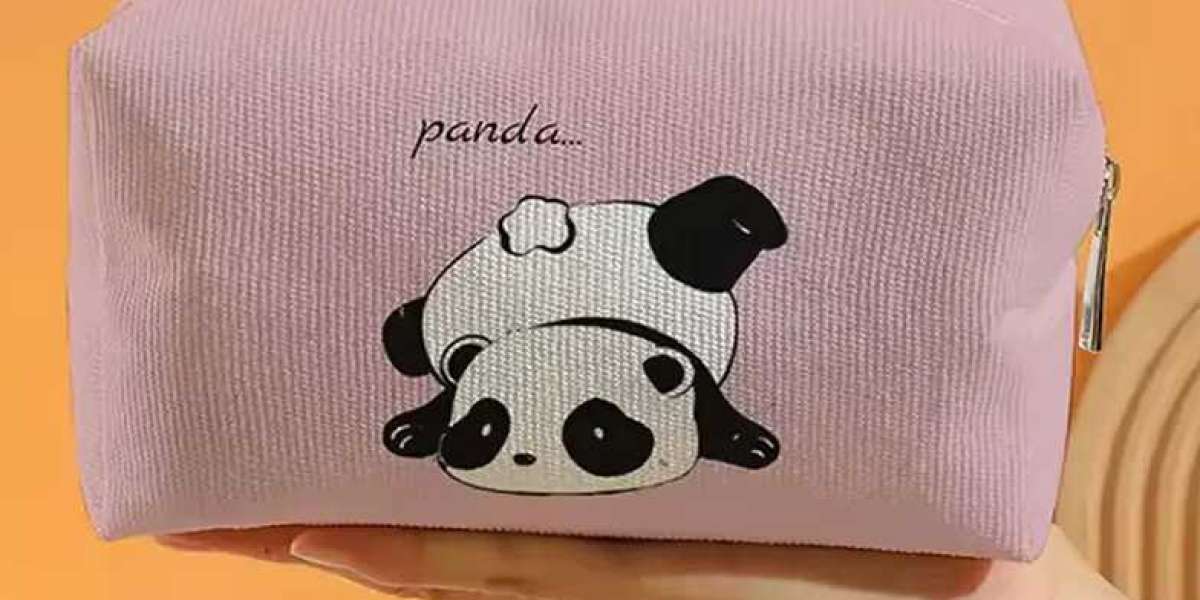
Every traveler's reliable kit for essentials begins its journey long before a trip. The process of creating this personal organizer involves careful planning and precise execution. A professional toiletry bag factory transforms designs and materials into functional products, balancing aesthetics with rugged practicality. The focus extends beyond simple assembly to integrating smart features, durable construction, and consistent quality, ensuring the final item is ready to face the rigors of travel while keeping contents secure and organized.
Material Selection: The Foundation of Function
The first critical decision lies in choosing the right materials, which define the bag's character, weight, and longevity. Factories typically work with a range of fabrics, from lightweight yet robust nylon and polyester to more premium options like canvas or recycled materials. For lining, a waterproof TPU (Thermoplastic Polyurethane) or PEVA (Polyethylene Vinyl Acetate) coating is often laminated onto the fabric to create a liquid barrier. The choice of zippers—whether standard coil or more durable molded plastic or metal YKK zippers—along with the thread type and buckle quality, are all specified based on the intended use and price point. A reputable factory will guide clients on the best material combinations to meet specific durability, cost, and aesthetic goals.
Pattern Making and Precision Cutting
Once materials are selected, the two-dimensional design must be translated into three-dimensional form. This begins with digital pattern making, where each panel, gusset, and pocket is meticulously drafted. Efficient pattern design minimizes fabric waste, a key factor in cost control and sustainability. Using these digital patterns, automated cutting machines or skilled workers with cutting dies precisely slice through layers of fabric. Accuracy at this stage is paramount, as imprecise cuts lead to misalignment during sewing, compromising both the bag's appearance and its functional integrity. This phase sets the stage for all subsequent assembly.
The Assembly Line: Stitching and Structure
On the sewing floor, the cut pieces come together. This stage involves multiple specialized machines and skilled operators. Heavy-duty sewing machines construct the main body, while bar-tacking machines reinforce critical stress points like strap attachments and zipper ends. Creating internal organization is a detailed process: mesh pockets are carefully measured and attached, elastic loops are secured for bottles, and dividers are sewn in. For hanging bags, a rigid hook or loop is integrated. Quality control is active here, with line supervisors checking stitch density (stitches per inch), seam consistency, and alignment before the item moves to the next station.
Finishing Touches: Quality Assurance and Branding
Before packaging, each completed bag undergoes a final inspection. Checkers examine every zipper pull, seam, and surface for flaws. They also verify that all specified features, like drainage grommets or internal mirrors, are correctly installed. It is at this stage that custom branding is applied. Methods can include silkscreen printing, heat transfer, or sewing in woven labels and patches, depending on the design and order volume. Finally, bags are cleaned of any debris, folded according to specification, and prepared for shipment. A trustworthy factory will provide pre-shipment samples for client approval and maintain consistent communication throughout production, ensuring the final delivery perfectly matches the initial vision for a reliable and well-crafted travel essential.